Trusted Local Restoration and Carpet Care in Honolulu, HI 96859
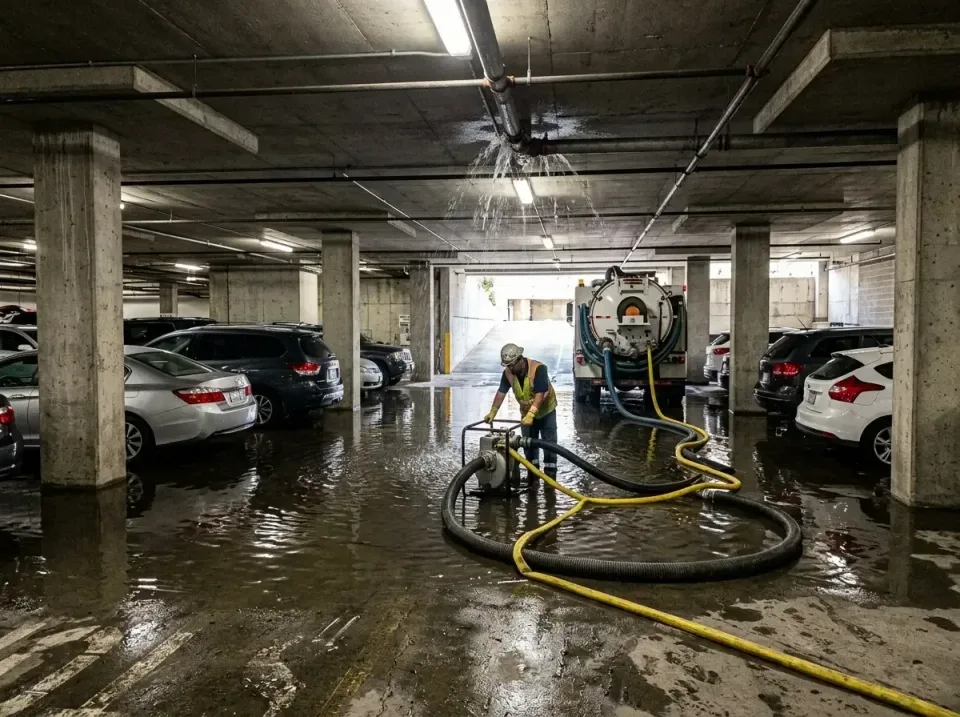
Honolulu Work Built Around Measured Drying
A leak can leave carpet padding soaked, drywall wet below the baseboards, and flooring soft before the damage looks serious. AAA Water Damage Pros helps Honolulu property owners address those conditions with water extraction, structural drying, and carpet care grounded in inspection rather than guesswork. Christopher P. started in residential construction and saw how quickly a small plumbing failure could spread through flooring, walls, and contents.
Honolulu homes and businesses bring practical challenges: high humidity, salt air, storm exposure, tight access, and occupied buildings that still need safe pathways. Our crews use psychrometrics the relationship between moisture, temperature, and humidity to guide drying decisions. A water claw can pull water from carpet and pad, while an LGR dehumidifier removes vapor from enclosed rooms. Moisture readings compare affected materials with unaffected baselines, and room-by-room drying logs record progress.
The work may involve emergency water extraction, sewage backup cleanup, carpet and padding drying, or mold inspection and testing. We follow the ANSI/IICRC S500 framework and document conditions for owners and insurers. Call AAA Water Damage Pros at (833) 710-2743 when you need a clear assessment and fair, itemized scope.
The People Tracking Each Honolulu Drying Job
A good restoration crew does more than place fans and leave. Technicians inspect flooring, wall cavities, carpet backing, and hidden moisture, then adjust equipment as readings change. AAA Water Damage Pros coordinates emergency dispatch, site access, extraction, moisture inspections, and equipment placement for homes, businesses, apartment properties, and managed buildings.
Christopher P., Founder, began in residential construction and understands how Honolulu humidity, salt air, storms, and narrow access routes affect a job. The team uses pinless moisture meters for noninvasive readings, thermal imaging cameras to locate suspicious patterns, and air movers to evaporate surface moisture. Dehumidifiers then remove vapor from the room. A Water claw is used when carpet looks dry on top but padding remains wet, helping prevent wicking and delamination the separation of carpet backing.
Office staff organize photographs, scope notes, and insurance claim documents. Technicians keep occupants moving through a 36-inch equipment access pathway where possible and protect contents before relocation. For contaminated work, containment and HEPA-filtered air cleaning support safer conditions. Call (833) 710-2743 to speak with AAA Water Damage Pros about the next practical step.
Warning Signs Honolulu Property Owners Often Miss
A musty smell or returning stain usually means moisture remains somewhere the first cleanup did not reach. EPA guidance points to drying wet materials within 24–48 hours, but Honolulu humidity can make surface dryness misleading.
-
Musty odor after carpet drying: Moisture may remain in padding, tack strips, or the subfloor; a Water Claw and moisture meter can check below the visible surface.
-
Brown water stains spreading: Wicking can move moisture through porous drywall and trim, even after the leak source is stopped.
-
Soft, swollen flooring areas: Swelling can signal subfloor moisture, secondary damage, or a deeper Class 4 drying condition involving hardwood, plaster, or concrete.
-
Sewage odor near floor drains: A sewage category indicates contaminated water; the affected zone should be isolated before extraction and contents should be separated.
-
Mold spots returning after cleaning: Cleaning without source control can leave hidden moisture behind. ANSI/IICRC S520 and US EPA mold guidance support inspection, containment, and documented removal.
These signs appear in homes near Waikiki, apartments, offices, and older properties around Honolulu. Avoid wet outlets and energized equipment, photograph conditions before moving contents, and call AAA Water Damage Pros at (833) 710-2743 for a measured assessment.
A Drying Process That Shows Its Work
The first step is source control: stop the active leak, identify the affected materials, and keep people away from electrical hazards. AAA Water Damage Pros photographs conditions before contents movement, clears pathways, and checks for a 36-inch equipment access pathway. A truck-mounted extractor removes large volumes quickly where access permits; a portable extractor is better for stairs, apartments, and tight Honolulu entries.
Technicians record moisture readings against unaffected baselines and take psychrometric readings for temperature, relative humidity, and grains per pound. Air movers evaporate surface moisture, while an LGR dehumidifier removes vapor; an air scrubber filters airborne particles when demolition or contamination makes it appropriate. Daily readings determine whether equipment stays, moves, or comes out. Drying verification means confirming target conditions instead of trusting touch or smell.
The process follows the ANSI/IICRC S500 water damage restoration standard, OSHA Hazard Communication Standard 29 CFR 1910.1200, and OSHA 29 CFR 1910.134 respiratory protection requirements where applicable. Local building permits may be needed for demolition and reconstruction. Honolulu work also requires practical planning for elevator access, loading zones, storm conditions, and debris handling. Call (833) 710-2743 for a documented scope.
Water Damage and Carpet Care Across Honolulu
AAA Water Damage Pros provides Water Damage Restoration & Carpet Care for Honolulu homes, apartments, offices, retail spaces, hotels, and managed properties. Service planning accounts for local access, occupied buildings, humidity, salt air, and storm-related flooding. A 36-inch clear doorway helps move equipment safely; ramps and threshold protection can make wheeled access practical when steps or raised entries are involved.
Our work includes emergency water extraction, basement dewatering, carpet and padding drying, crawl-space moisture control, sewage backup cleanup, mold inspection and testing, antimicrobial treatment, carpet steam cleaning, and insurance claim documentation. A portable extractor with a 12–15 gallon tank can suit stairs and smaller rooms, while a truck-mounted extractor is better for high-volume removal with adequate vehicle access. LGR dehumidifiers can remove roughly 80–150 pints daily, depending on site conditions and equipment model.
We serve Honolulu and surrounding Hawaii properties, with broader locations listed on the Service Areas page. Owners should keep occupants away from wet electrical equipment and separate sewage-contaminated contents. Call (833) 710-2743 to discuss access, affected materials, and a fair itemized quote before work begins.
Talk Through the Next Restoration Step
A phone call is useful when carpet padding stays wet, humidity remains high, stains spread, or a sewage odor returns after cleanup. Tell AAA Water Damage Pros what happened, which rooms are affected, whether the water was clean or contaminated, and whether access includes stairs, elevators, or narrow doorways. That information helps the team plan extraction, moisture inspection, equipment placement, and any needed contents coordination without promising work that has not been assessed. Call (833) 710-2743 or email contact@aaawaterdamagerestoration.com to request a conversation about Water Damage Restoration & Carpet Care in Honolulu.
Recent Projects Gallery
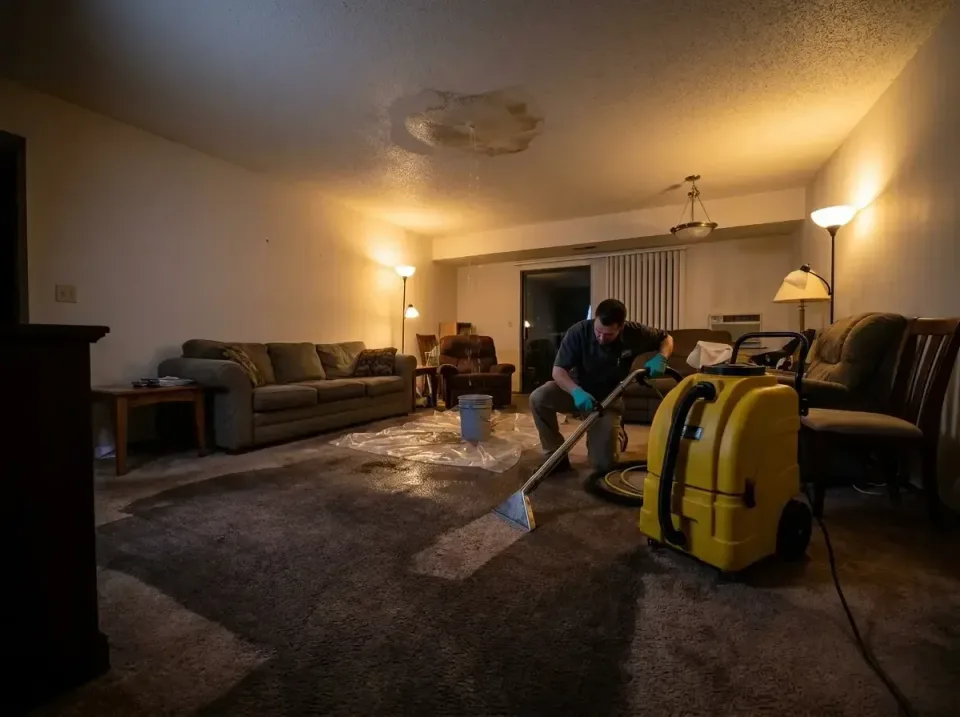
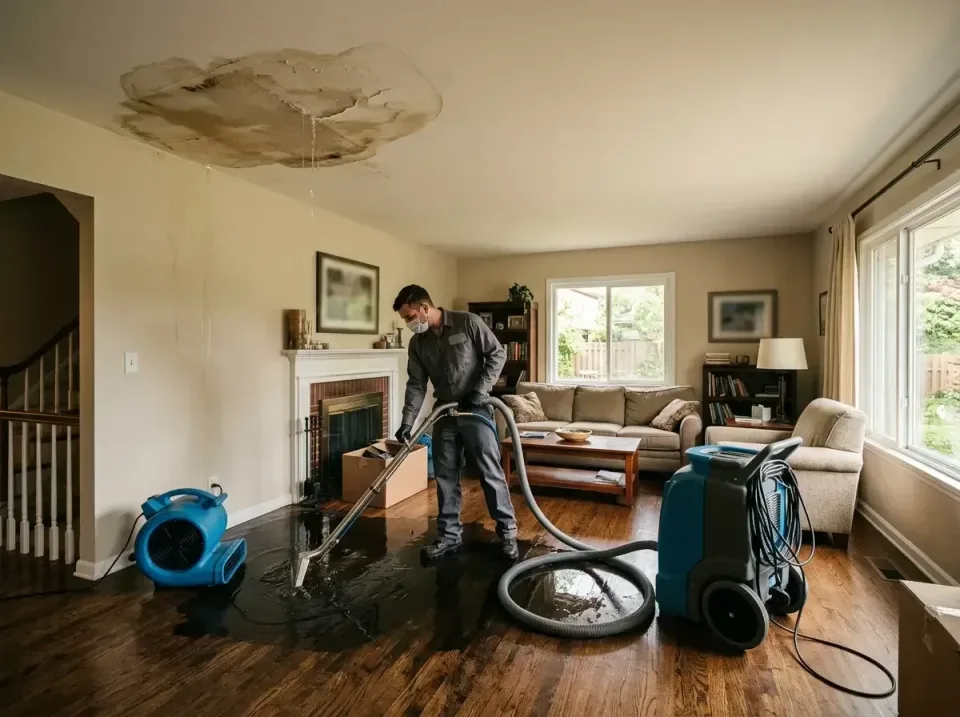
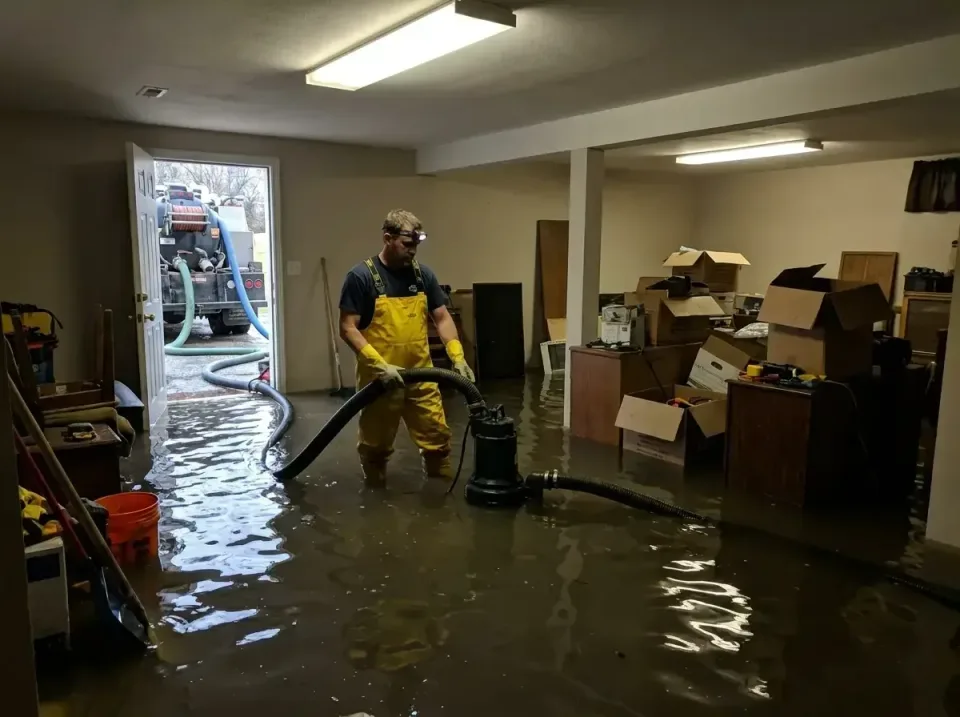
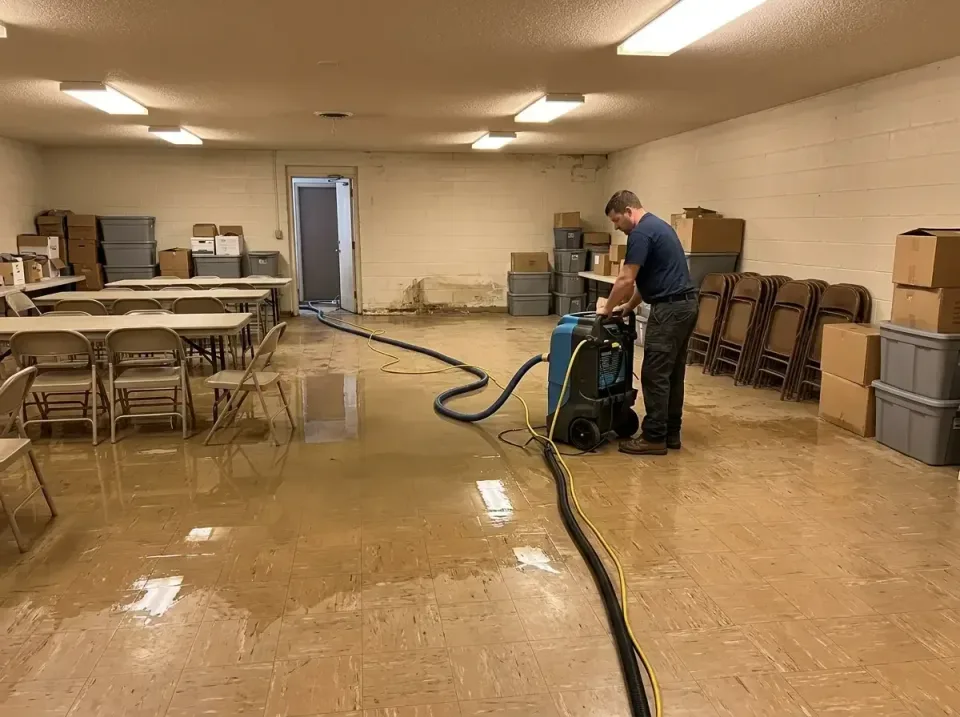
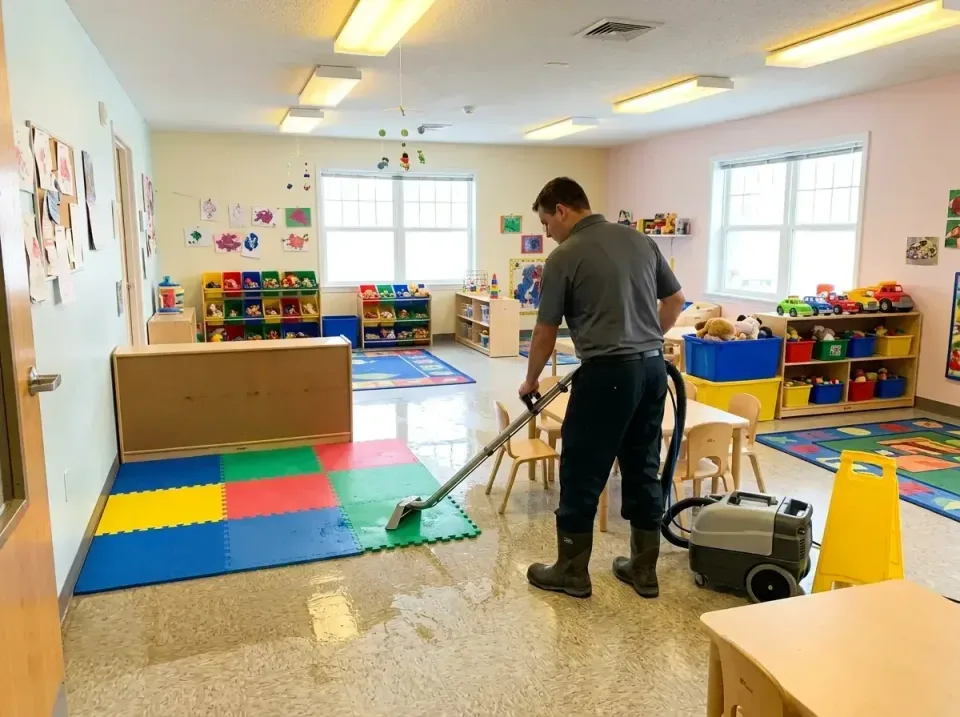
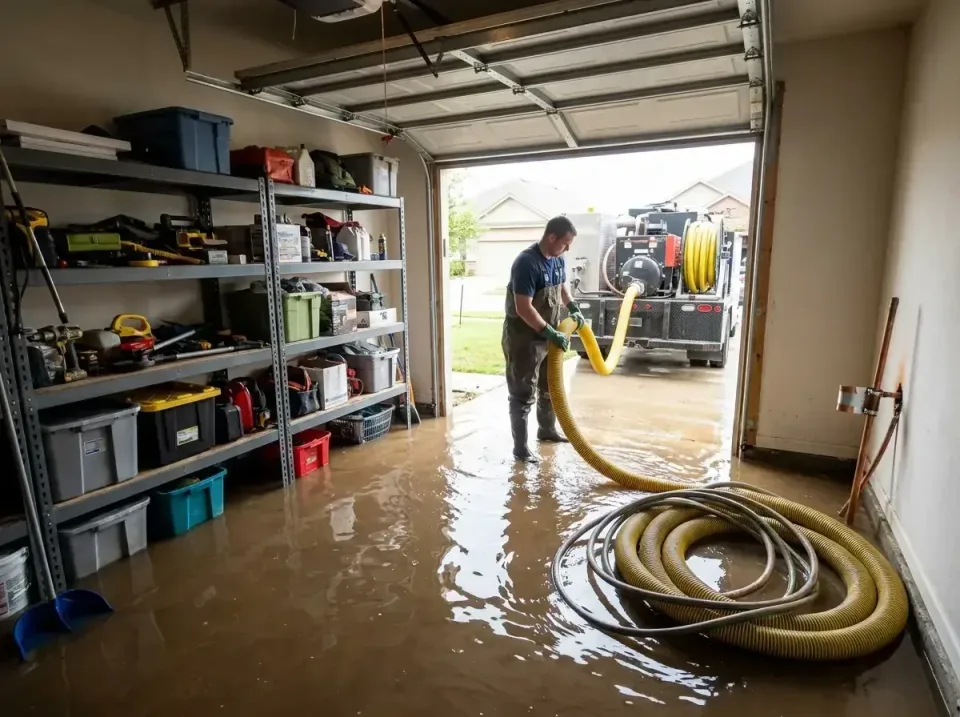
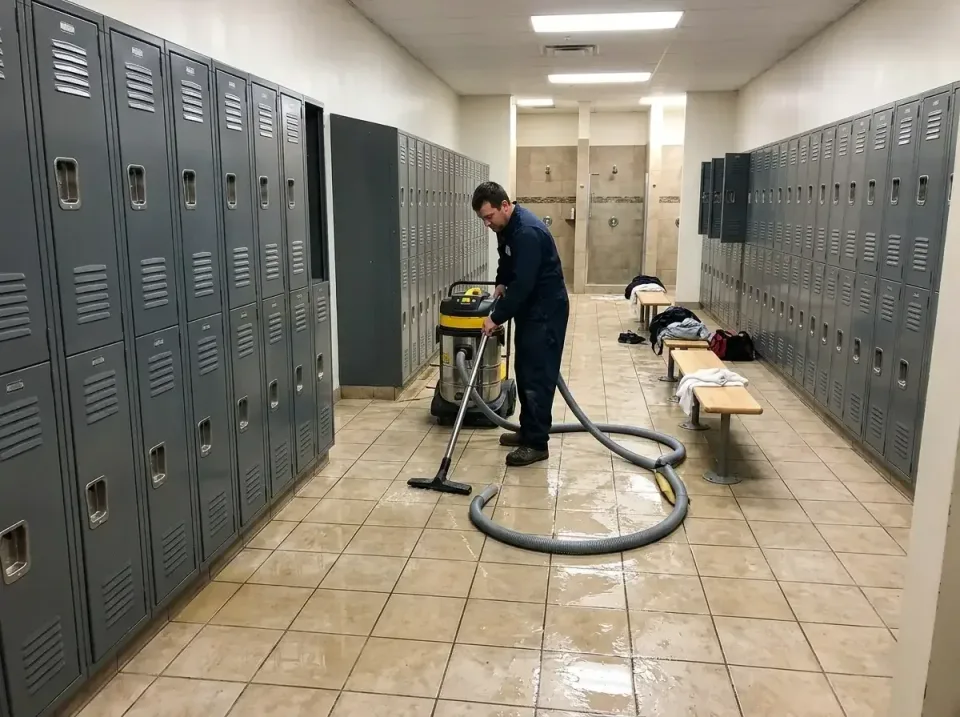
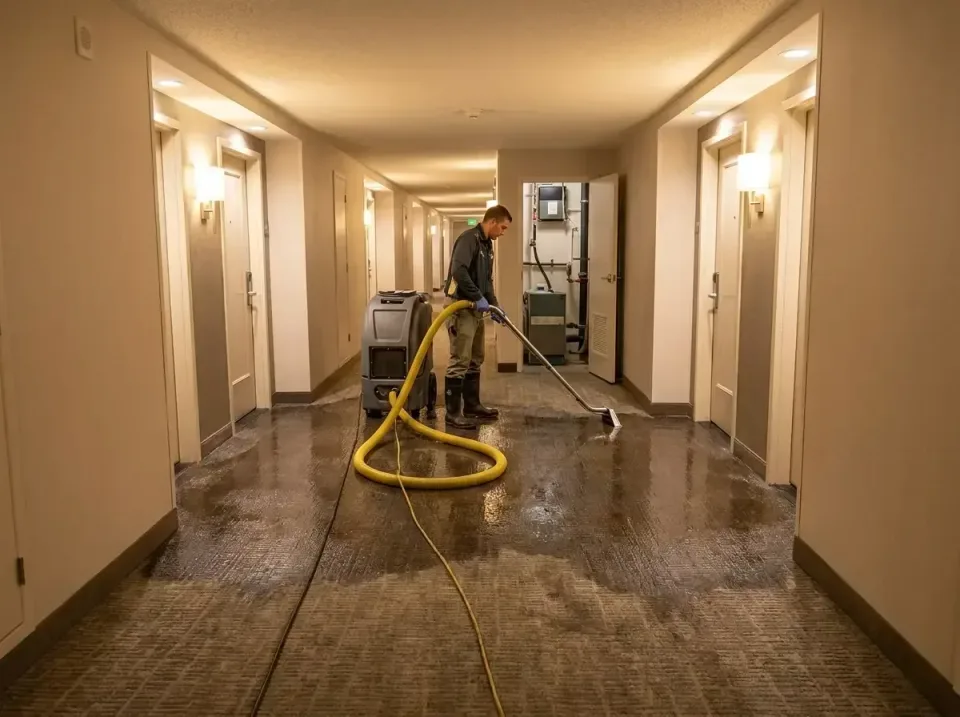
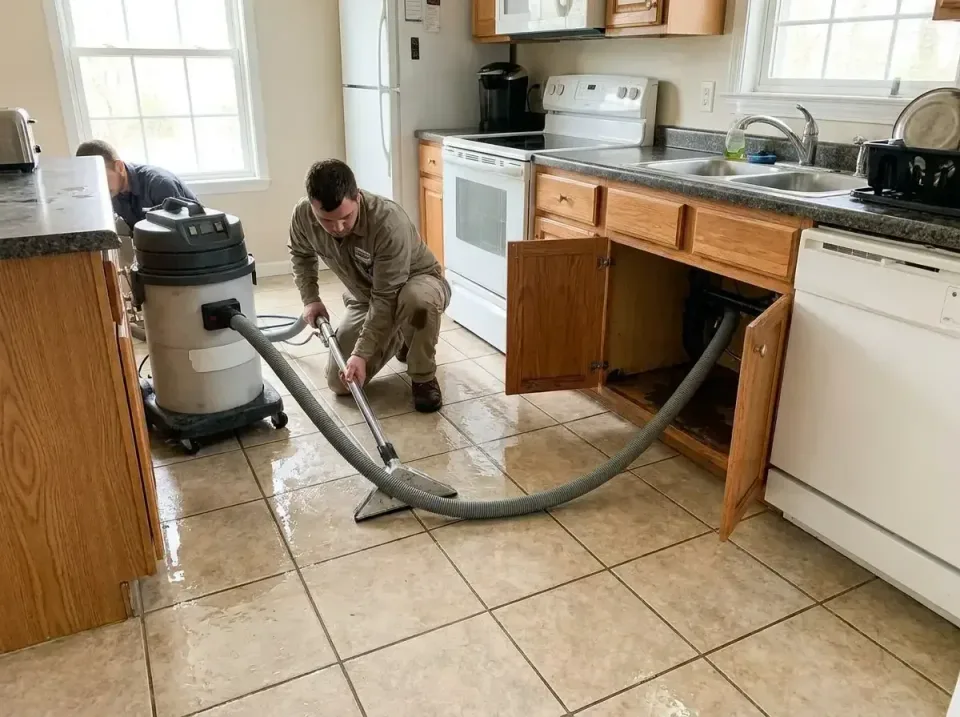
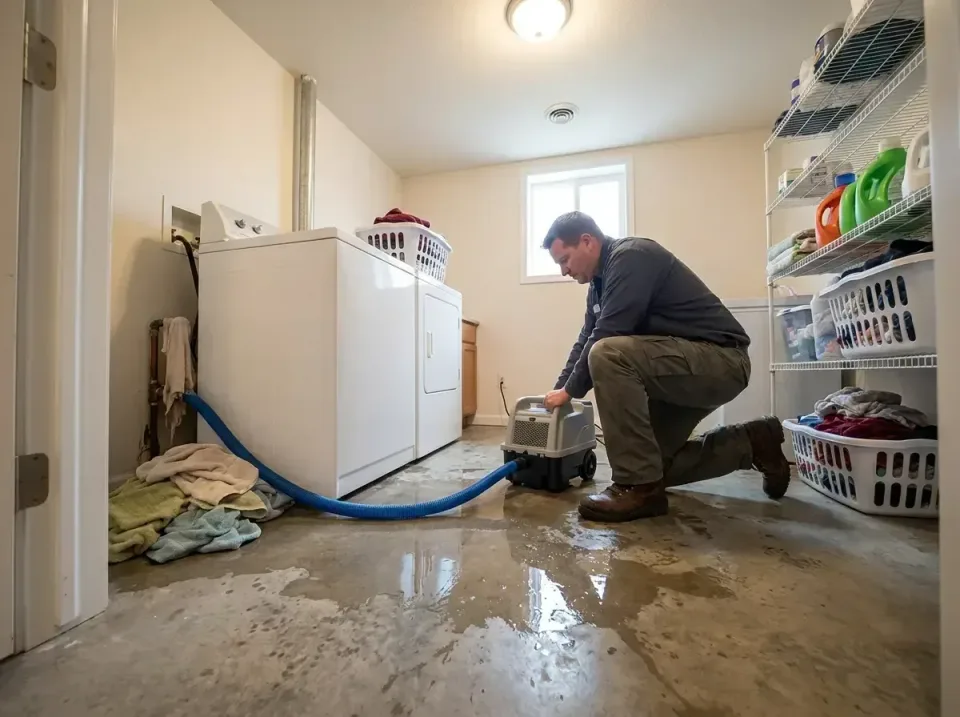
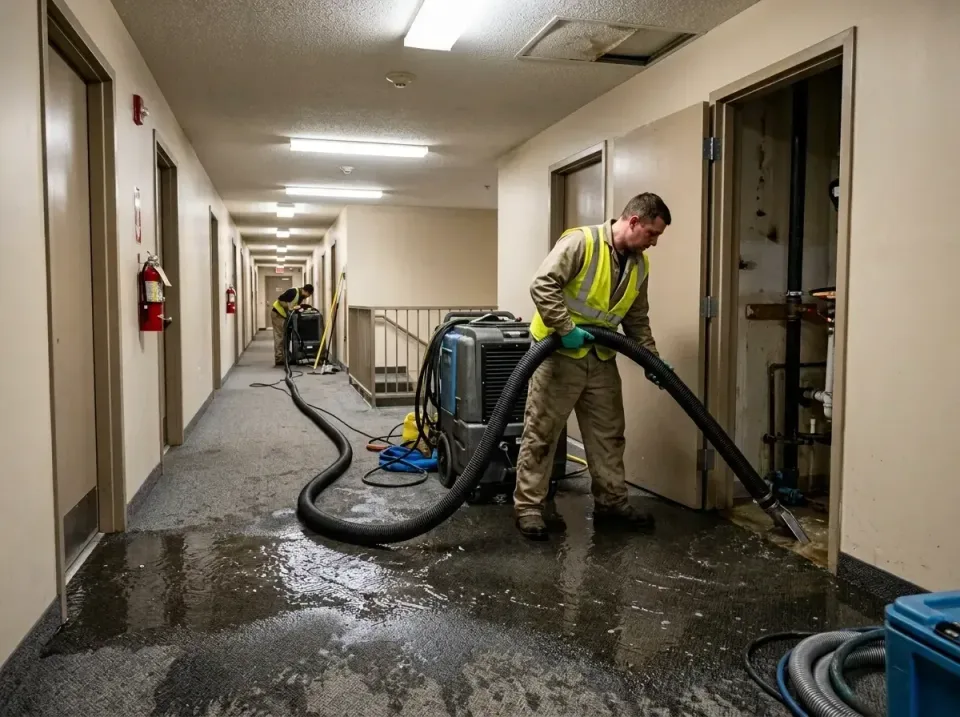
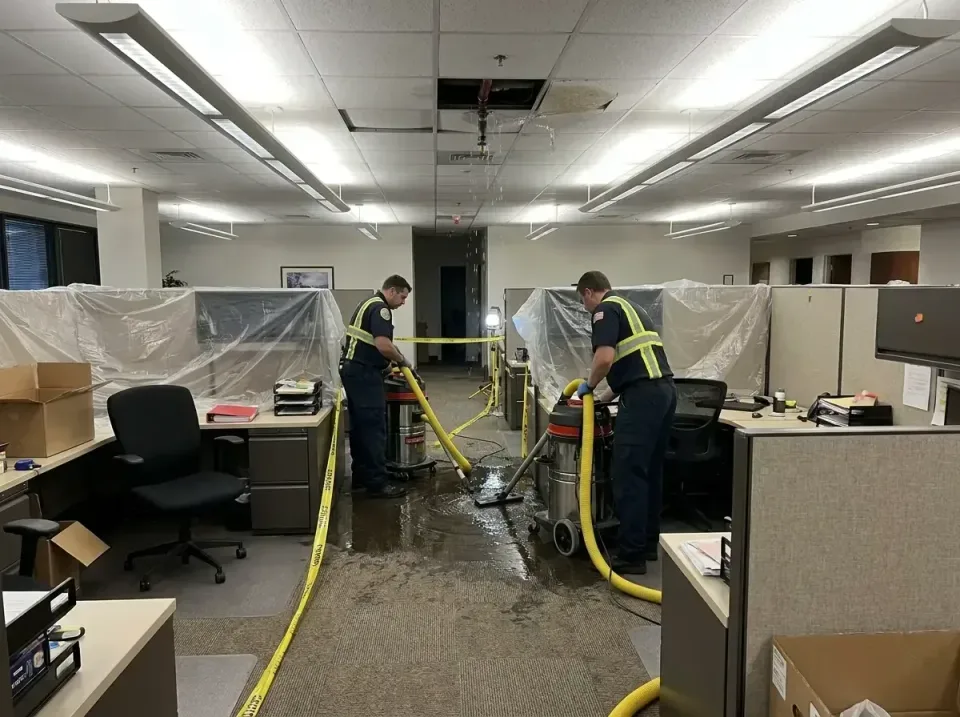
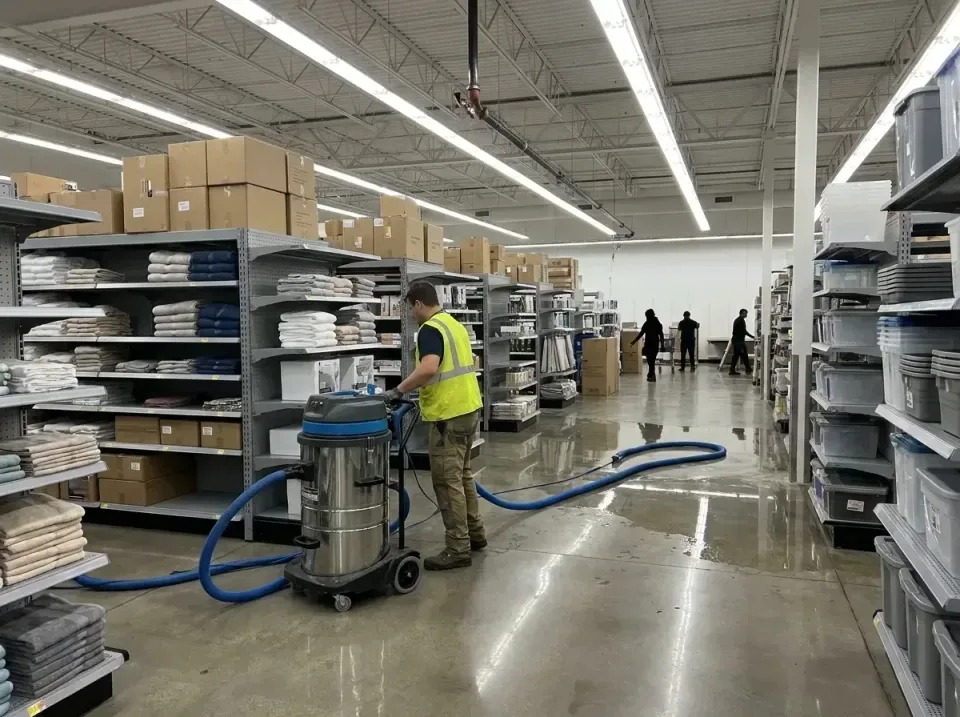
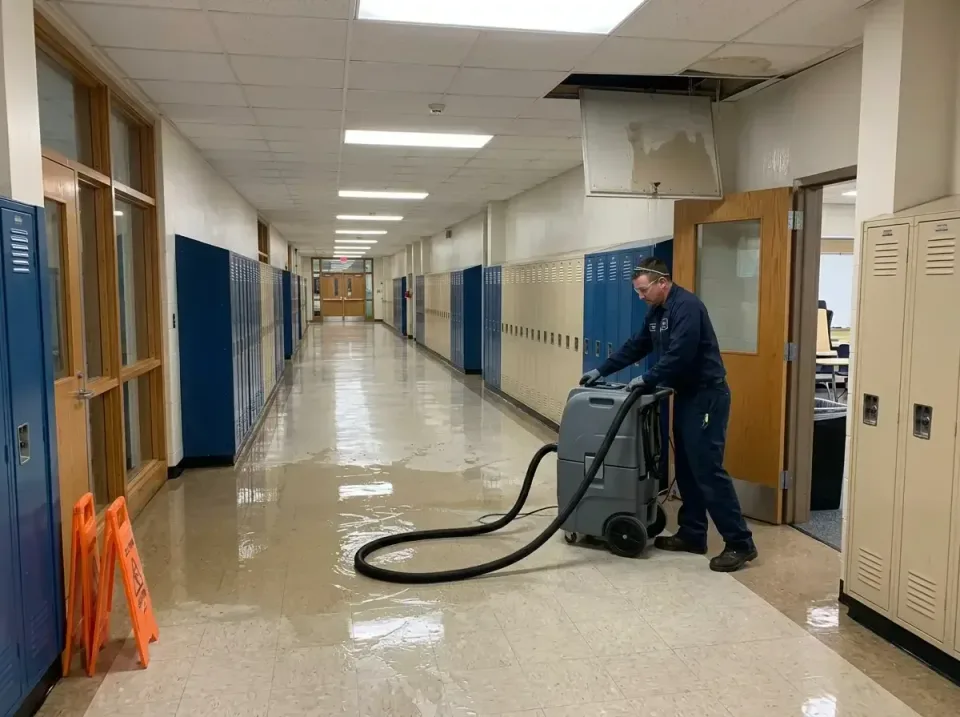
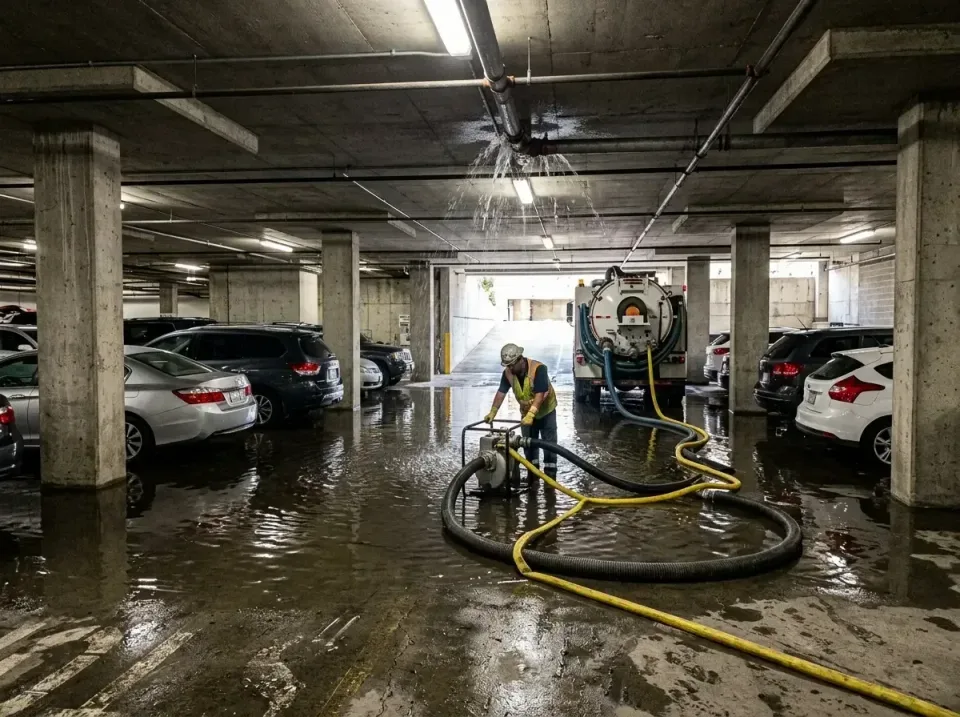
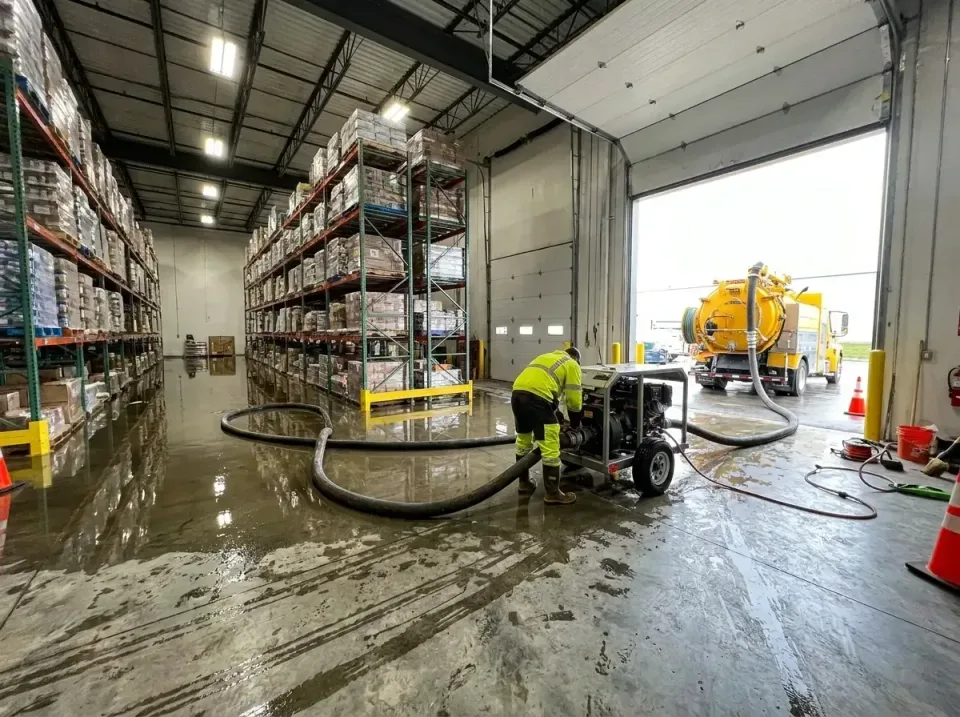
Recent water damage restoration & carpet care project photos.
Need Nationwide Water Damage Restoration & Carpet Care?
We connect you with trusted local providers in your state or city. Call or email us today.