Reach Your Honolulu Restoration Team, HI 96859
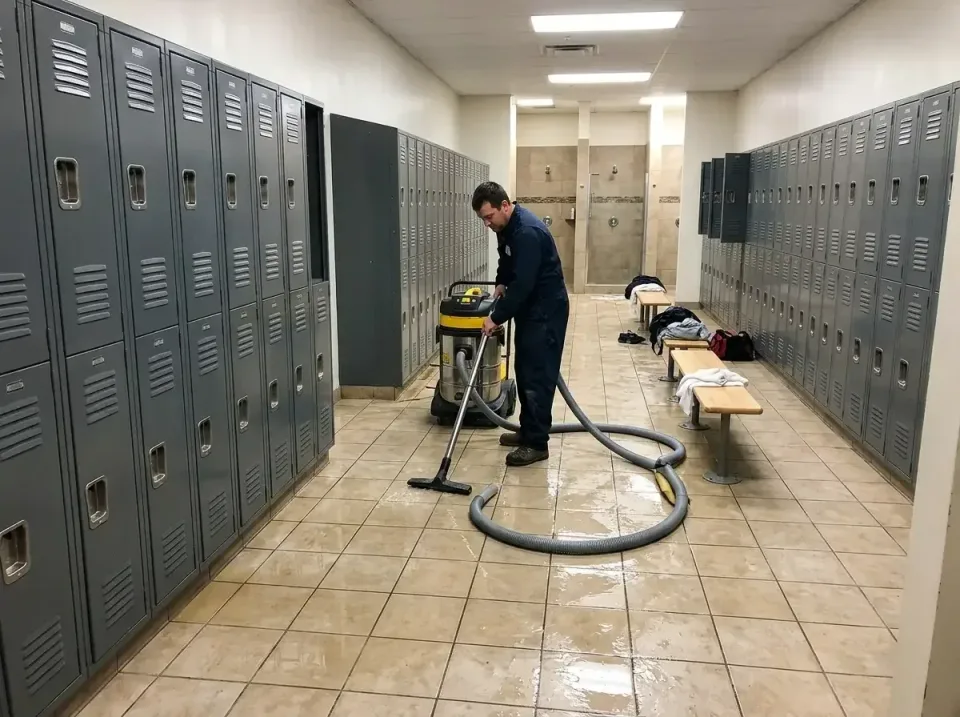
Talk With AAA Water Damage Pros in Honolulu
Call (833) 710-2743 for a restoration quote, scheduling question, or guidance after a leak, overflow, storm, or sewage backup. For written details, email contact@aaawaterdamagerestoration.com. Our office address is 7119 Niumalu Loop, Honolulu, HI 96825.
Use the phone for a new emergency water extraction, basement dewatering, carpet and padding drying, or sewage-contaminated water. Email works well for insurance claim documentation, billing questions, photos, and non-urgent scheduling. Include the property address, affected rooms, water source, approximate start time, and whether outlets or electrical panels are wet. Do not touch energized equipment in a wet area.
A technician may compare affected materials with an unaffected baseline using a pinless moisture meter. For soaked carpet, a water claw can remove water beneath the surface. Psychrometrics the relationship between temperature, humidity, and material drying helps determine whether an LGR dehumidifier is appropriate. We follow the documentation approach in the ANSI/IICRC S500 Standard for Professional Water Damage Restoration, including moisture readings and room-by-room drying logs. Call or email AAA Water Damage Pros to request a clear, itemized quote.
Water Damage Restoration Coverage Across Honolulu
AAA Water Damage Pros provides Water Damage Restoration & Carpet Care throughout Honolulu, including service addresses in 96859, 96858, 96850, 96819, and 96820. Coverage includes homes, apartments, offices, hotels, retail spaces, and other properties across Oahu’s urban core. Waikiki, downtown Honolulu, and areas near Honolulu Harbor can require careful parking, elevator coordination, and a clear 36-inch equipment access pathway before extraction begins.
We handle emergency water extraction, carpet and padding drying, crawl-space moisture control, sewage backup cleanup, mold inspection and testing, and commercial structural drying. A portable extractor suits stairs and apartment access; truck-mounted extraction removes larger volumes faster but needs vehicle access. An LGR dehumidifier can remove 80–150 pints daily, while air movers move surface moisture so drying can be verified.
Local site visits help us account for building access, occupant pathways, loading zones, and affected porous drywall. If demolition or reconstruction is needed, local building departments may require permits. We document conditions before contents movement and record daily moisture measurements. See our Honolulu service coverage, then call (833) 710-2743 for a quote based on water volume, materials, access, and drying duration.
What Follows Your Honolulu Restoration Request
The first visit establishes the water source, contamination level, affected materials, and drying class. EPA guidance recommends drying wet materials within 24–48 hours when possible, but the actual plan depends on access, water volume, and how far moisture has traveled.
-
Initial details: Share the property address, water source, affected rooms, visible stains, musty odor, and any sewage odor near floor drains. We also ask about access, occupants, pets, and insurance documentation.
-
Site assessment: We photograph damage before contents movement, inspect subfloors and wall cavities, and compare moisture readings against unaffected materials. A thermal camera locates patterns; a meter confirms moisture.
-
Extraction and placement: We select truck-mounted or portable extraction based on access, then position dehumidifiers near affected rooms. Air movers stay clear of walkways and blocked vents, with a 36-inch clear doorway kept open for equipment movement.
-
Monitoring and closeout: Daily moisture checks track psychrometric readings, including relative humidity and grains per pound. We continue until drying verification shows stable target conditions, with antimicrobial records, insurance photos, and room-by-room logs supplied when applicable.
For Category 3 sewage or floodwater, we isolate the zone and separate contaminated contents before work begins. Call (833) 710-2743 to start the assessment.
Helpful Details Before Calling in Honolulu
A few facts help us judge the drying class, equipment needs, and possible secondary damage before arriving. Note the water source, approximate start time, rooms involved, flooring type, and whether carpet padding remains soaked. Photograph conditions without moving contents if it is safe.
Why does the carpet still smell musty after drying?
A musty odor can indicate trapped moisture, wicking into the pad, or carpet delamination, which means backing separation. Tell us whether the odor returns after the room is closed.
What do spreading brown stains or soft flooring mean?
They can point to moisture moving below the finish or into the subfloor. Soft, swollen flooring and wet drywall below baseboards call for subfloor moisture detection rather than surface cleaning alone.
What if mold spots returned after cleaning?
Recurring spots may mean the moisture source was not corrected. Mold inspection and testing, containment, and an air scrubber may be more appropriate than another household cleaning pass. ANSI/IICRC S520 and US EPA Mold Remediation in Schools and Commercial Buildings provide useful reference points.
What should I do about sewage odor?
Keep people away, avoid electrical equipment, and report whether the water came from a drain, toilet, or flood. A sewage category is contaminated-water classification; the affected zone should be isolated before extraction. Call (833) 710-2743 with the address and photos.
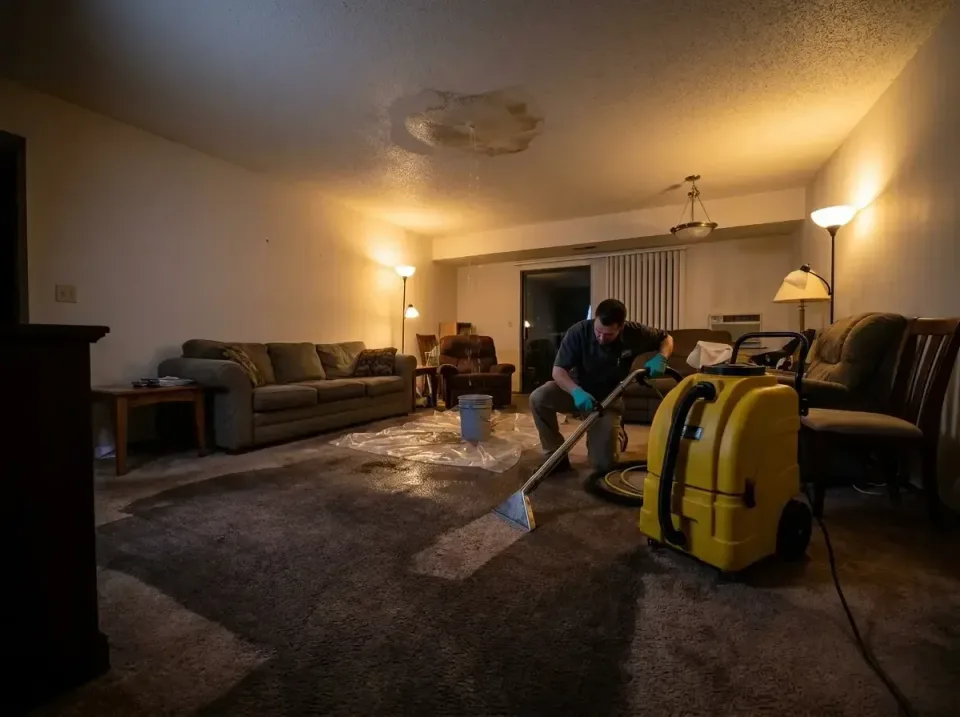
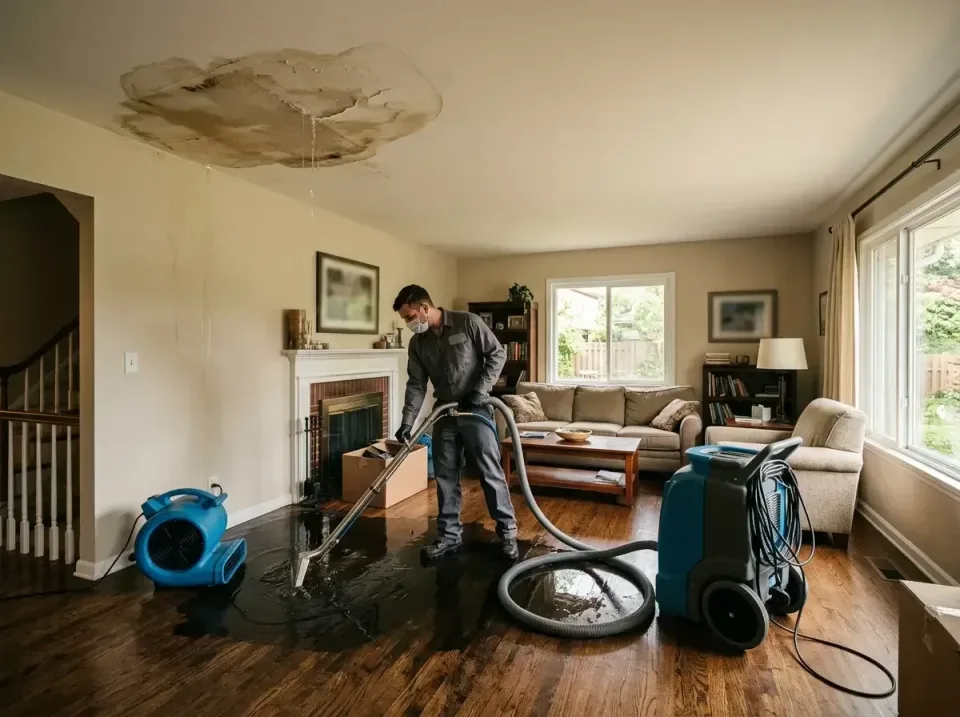
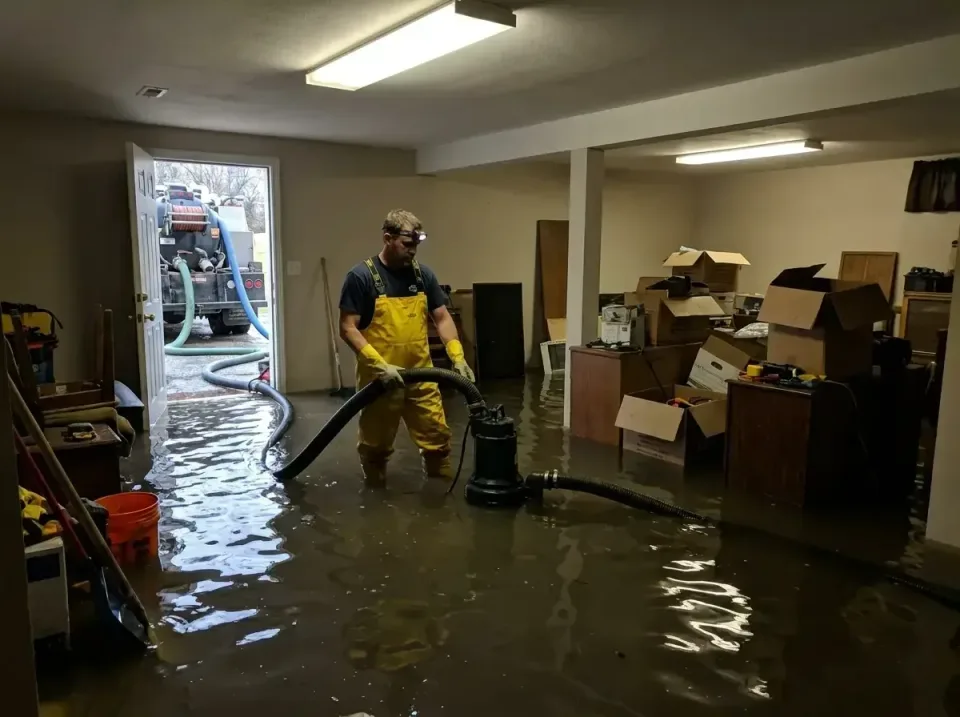
Recent Projects Gallery
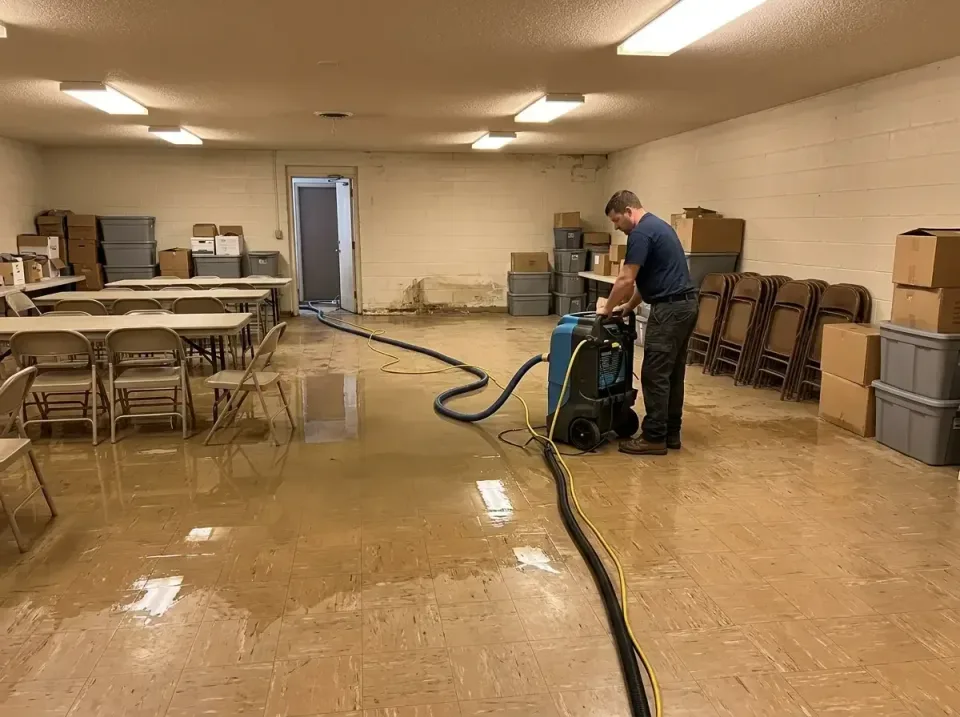
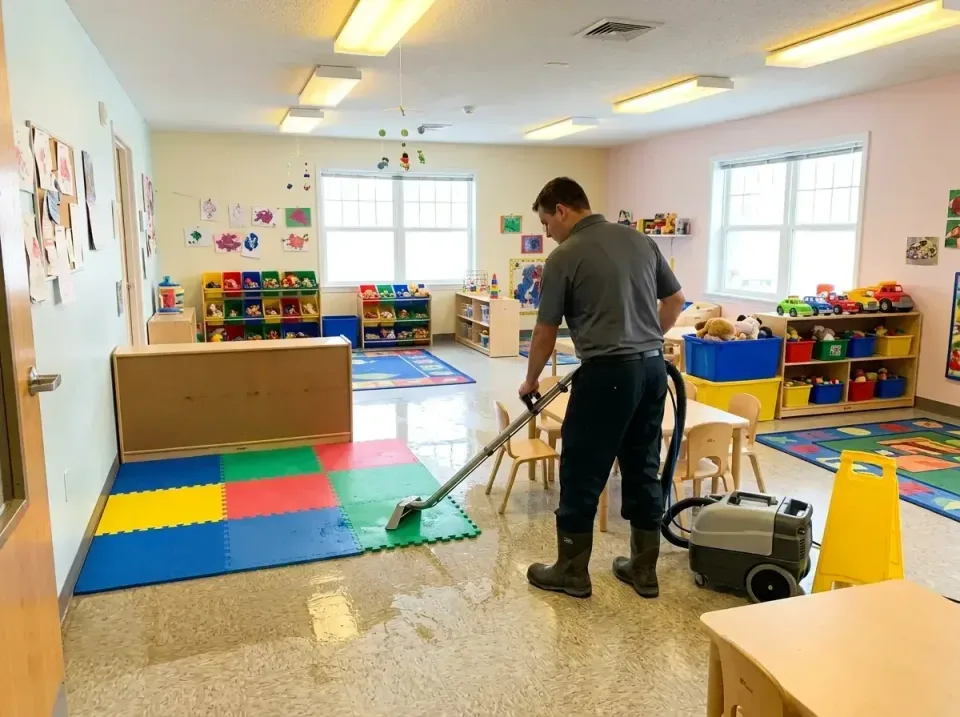
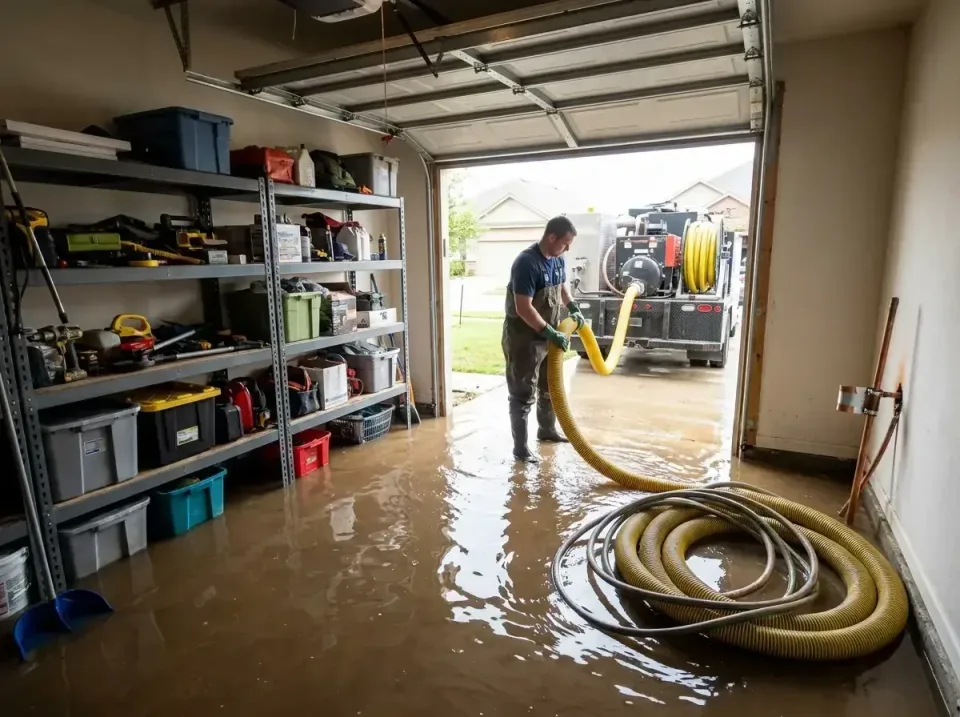
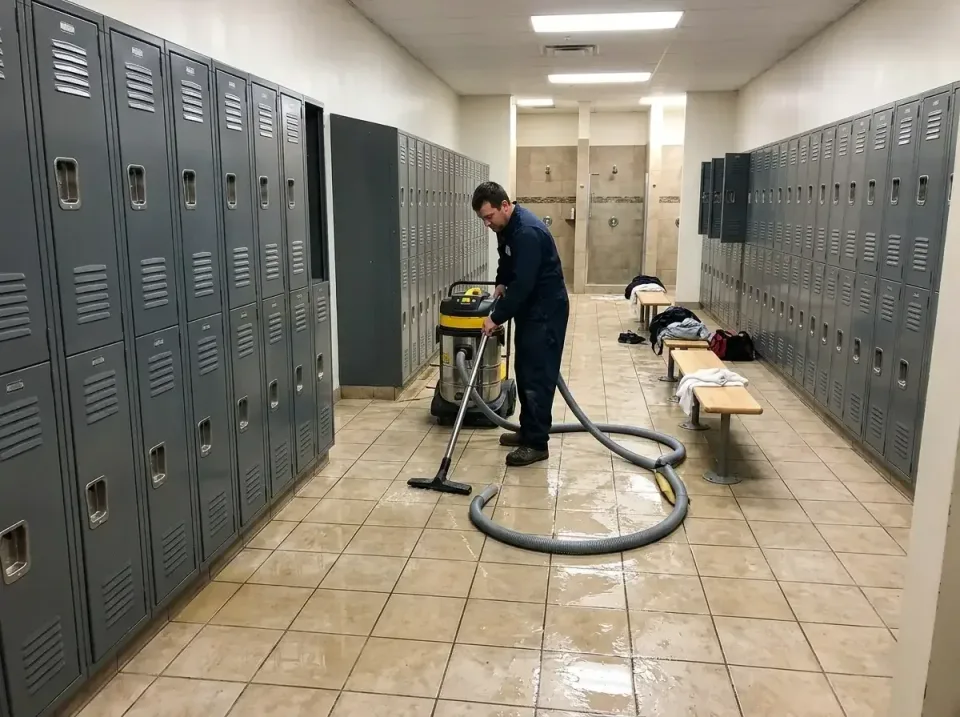
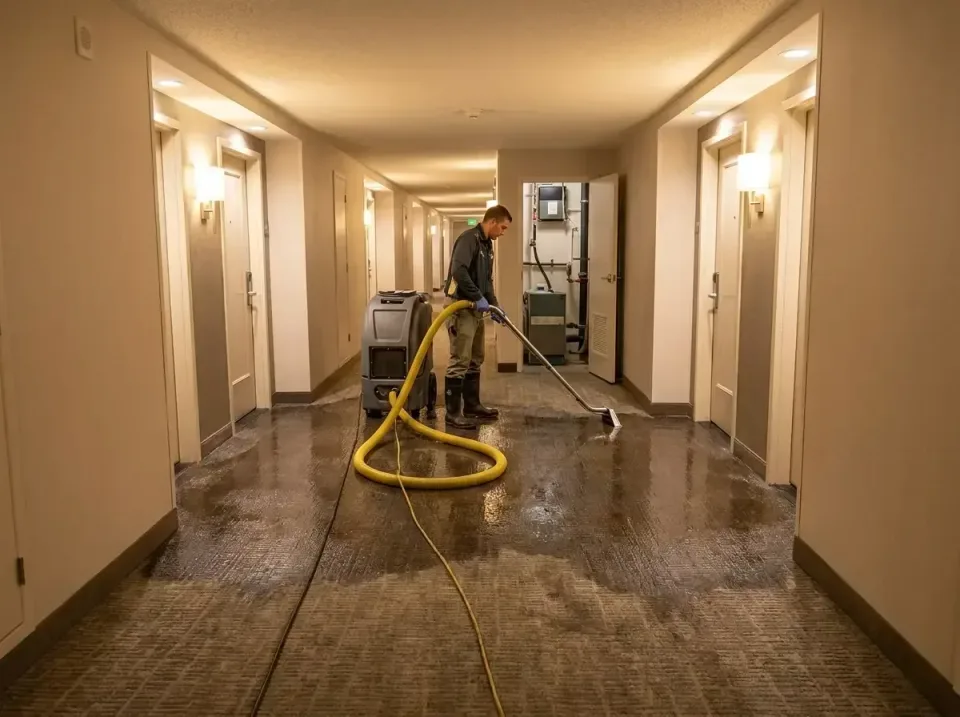
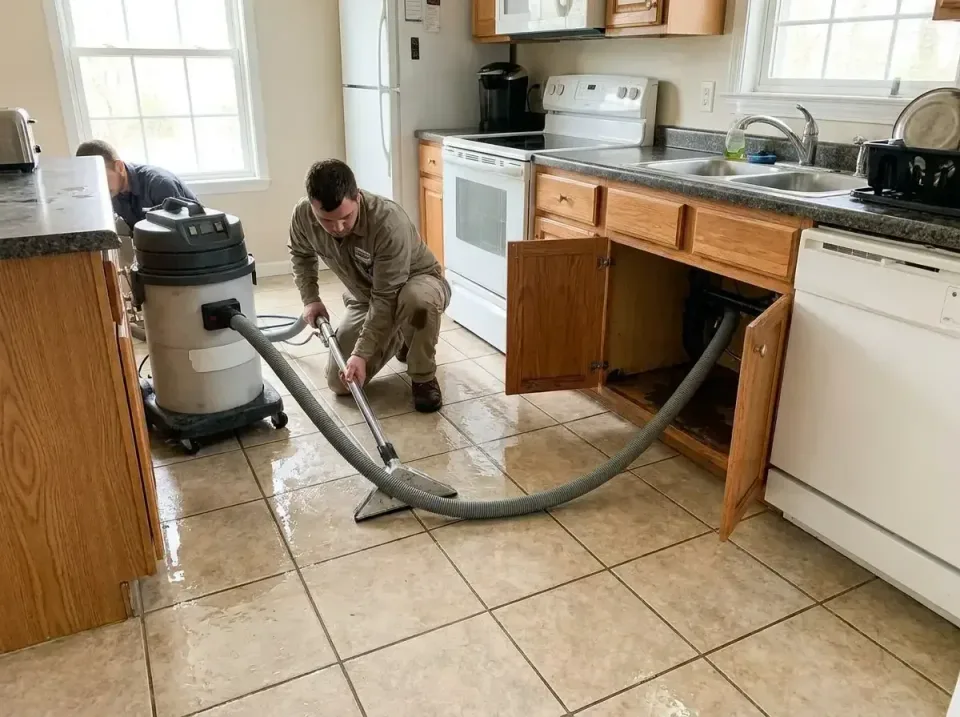
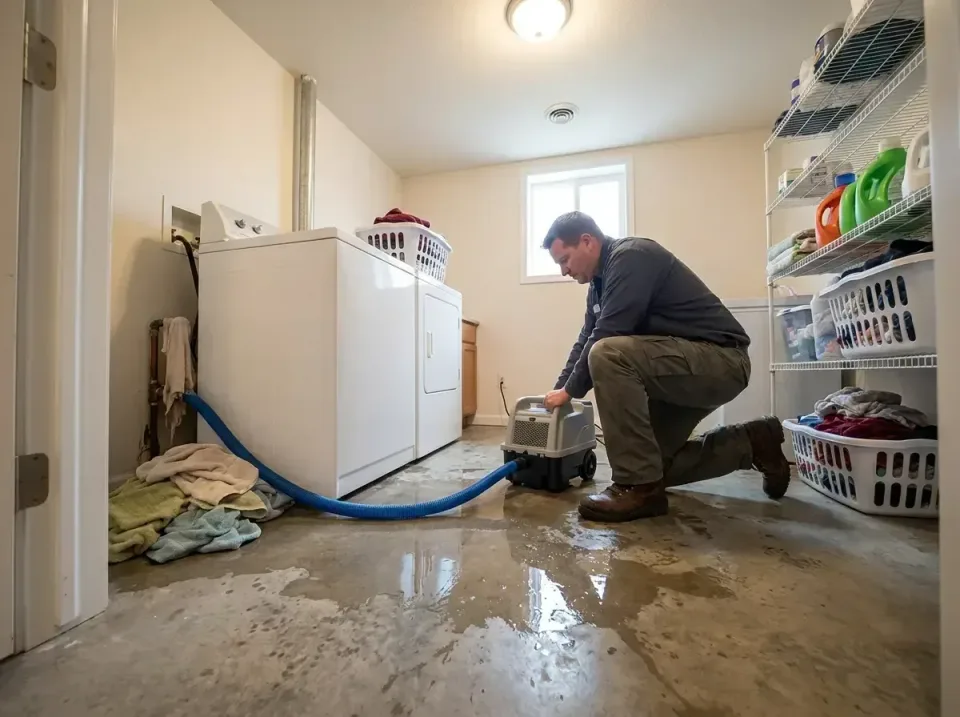
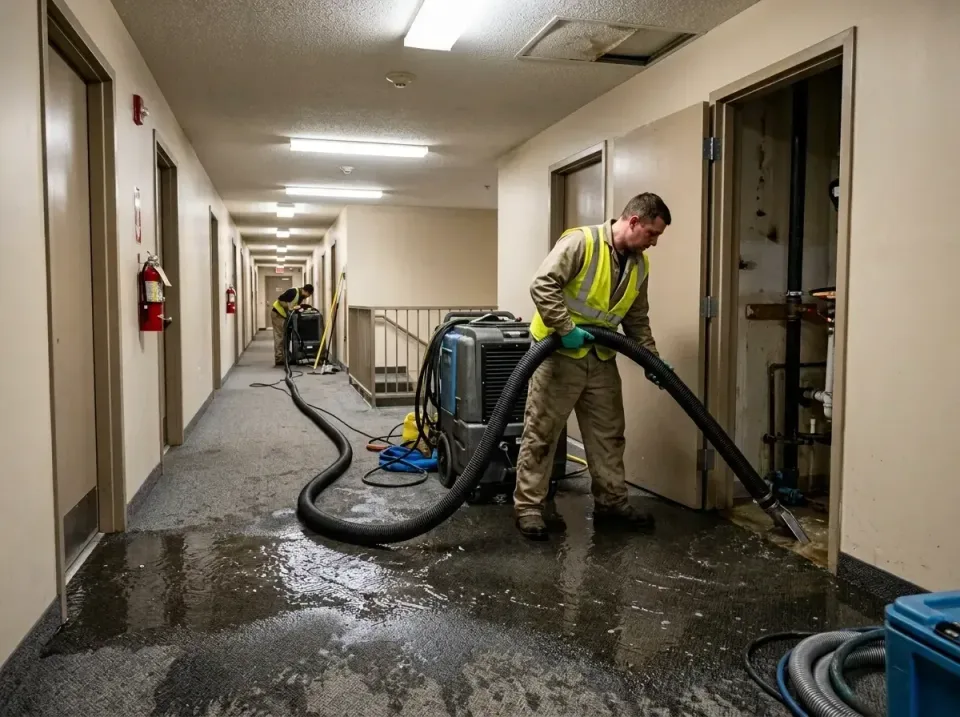
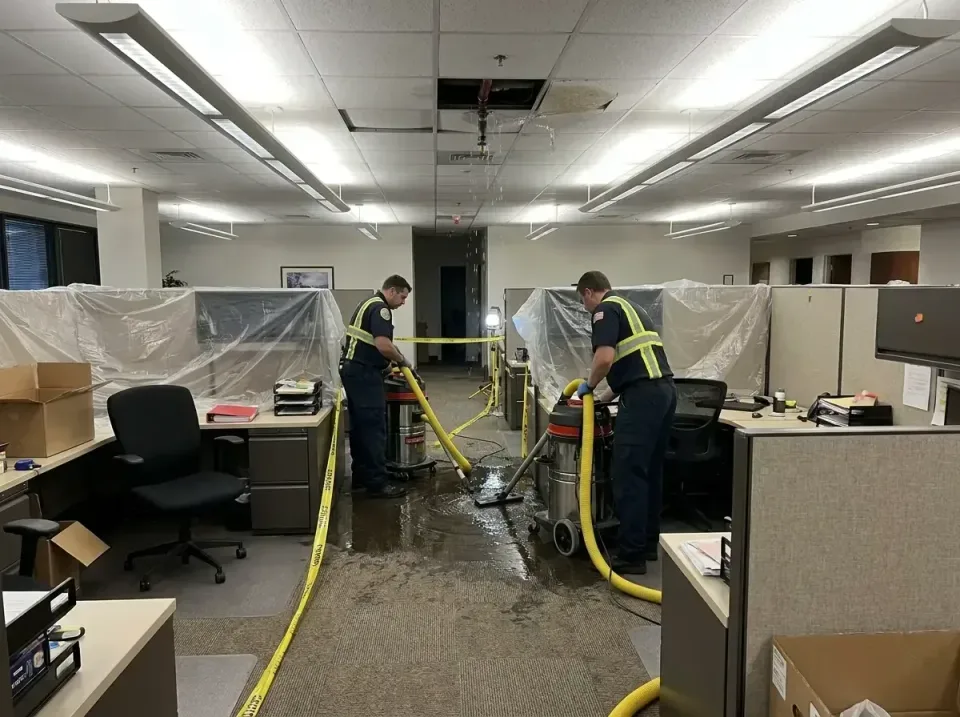
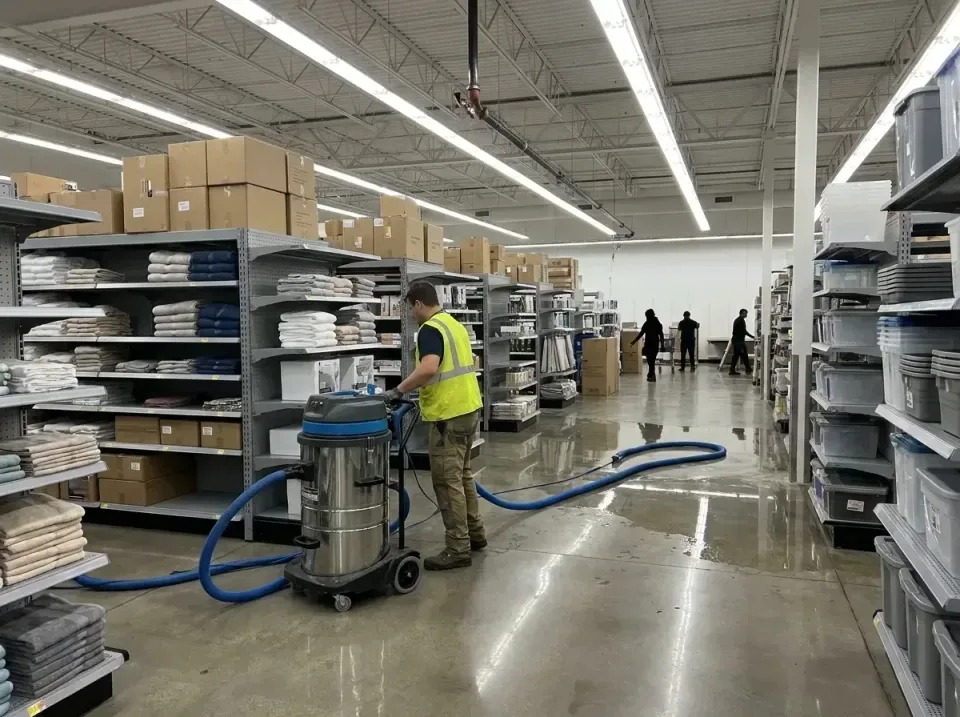
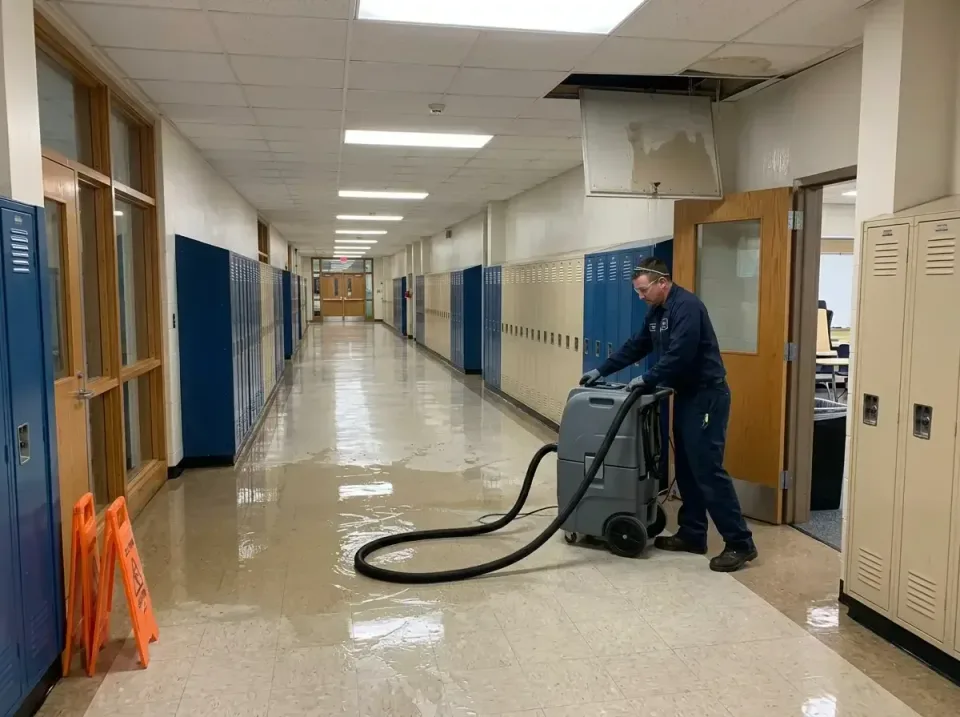
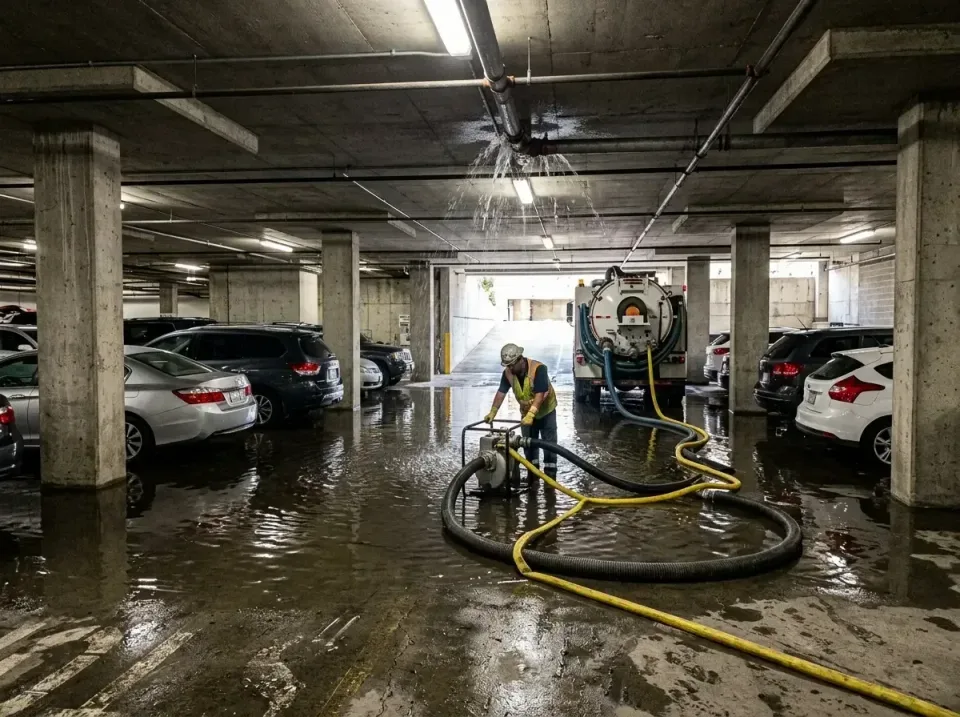
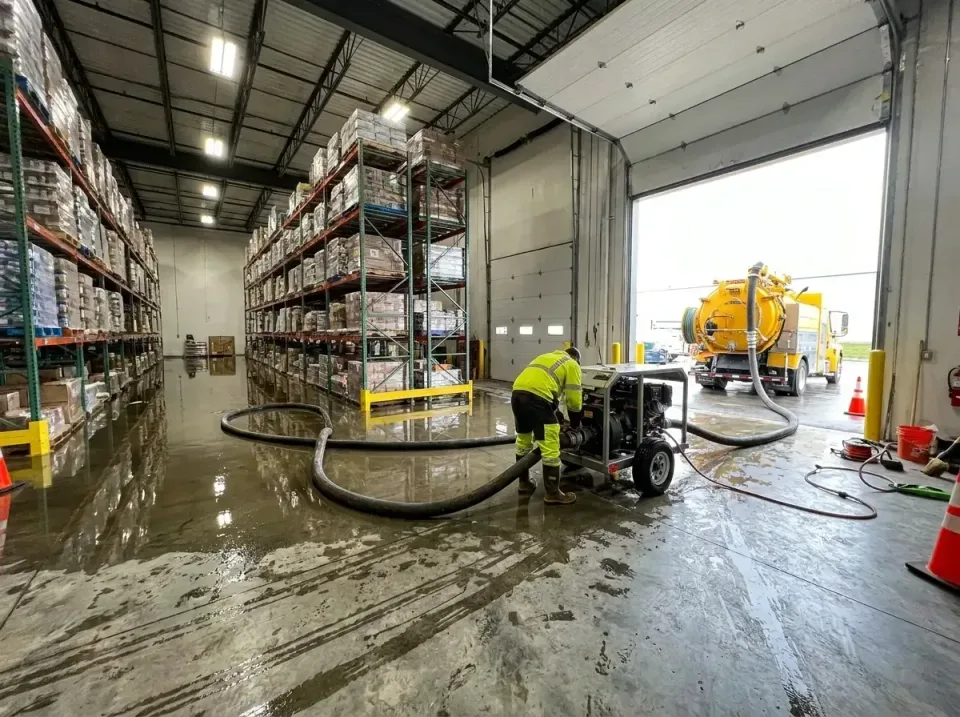
Recent water damage restoration & carpet care project photos.
Need Nationwide Water Damage Restoration & Carpet Care?
We connect you with trusted local providers in your state or city. Call or email us today.