Should You Remove Wet Drywall After a Flood in Honolulu, HI 96859?
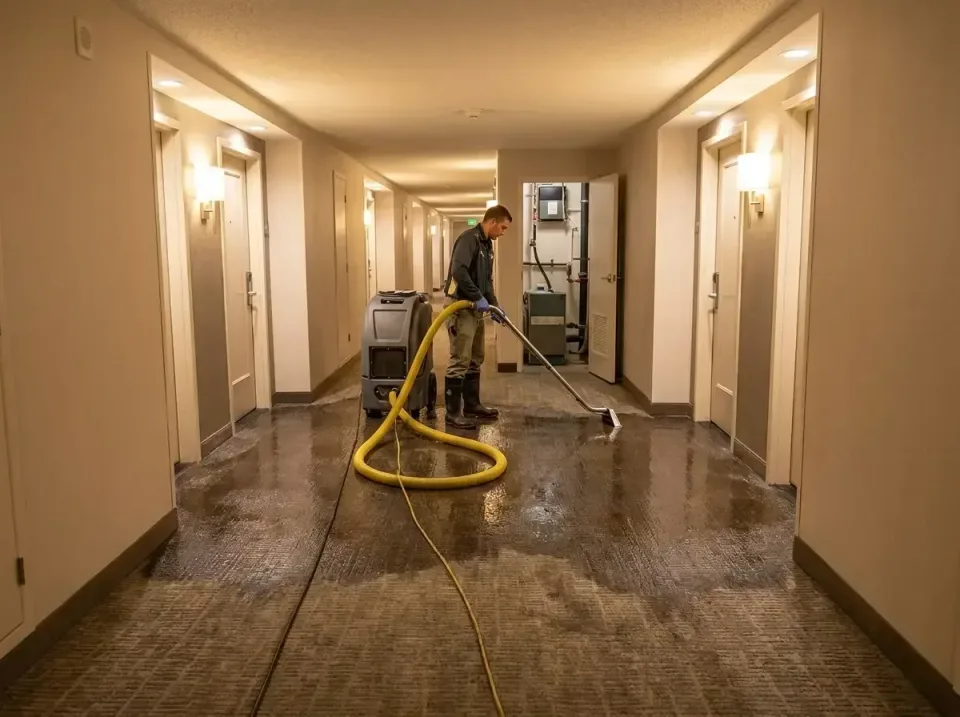
Wet Drywall Below Baseboards After Flooding
Yes remove porous drywall that stayed wet, absorbed dirty water, or shows swelling below the baseboard; do not simply paint over it. EPA guidance calls for drying wet materials within 24–48 hours, and wallboard that remains damp can hide damage behind the finished surface. In Honolulu homes, wet drywall often accompanies soft flooring, spreading brown stains, or carpet padding that still feels soaked. AAA Water Damage Pros documents the affected area before cutting, checks the wall cavity, and coordinates emergency water extraction with structural drying. A local inspection also helps separate clean-water damage from sewage-contaminated material. If you need broader coverage, our all service areas page shows where the team works.
Five Drywall and Carpet Clues to Check
-
Musty odor: A smell after carpet drying can mean moisture remains beneath the surface, so a Water claw a subsurface carpet extraction tool may be needed before wall repairs.
-
Brown stains: Spreading discoloration often follows wicking, or moisture migration through materials, rather than a surface-only paint problem.
-
Swollen flooring: Soft boards can signal hidden saturation; compare affected readings with an unaffected baseline before deciding what stays.
-
Wallboard condition: Porous drywall that is crumbling, bowed, or contaminated should be isolated and assessed rather than sealed in place.
-
Dirty floodwater: Category 3 means sewage or floodwater and is grossly contaminated; antimicrobial work and controlled removal require more than household cleaning. A restoration record should identify the water source, affected materials, and drying decisions, consistent with the practical documentation approach described in this water damage repair resource.
When Wet Drywall Should Come Out
Remove drywall when it has absorbed floodwater, remains damp, has swollen paper, releases a musty odor, or has visible staining that continues to spread. A small clean-water contact may sometimes be dried in place, but porous drywall is difficult to verify without opening the wall. Cutting a controlled section above the wet line can expose insulation, studs, wiring, and the bottom plate. In a Honolulu apartment, hotel, or office, the decision also depends on access, occupant safety, and whether the wall shares a bathroom or utility chase. AAA Water Damage Pros records conditions before demolition and keeps drywall demolition debris separate from salvageable contents. The ANSI/IICRC S500 restoration standard provides a useful framework for documenting water removal and drying work.
Clean Water, Floodwater, and Sewage Damage
The source changes the response. Storm and hurricane flood cleanup can introduce soil, chemicals, and pathogens, while a broken supply line may leave a more limited clean-water loss. Category 3 water sewage or floodwater is grossly contaminated, so isolate the area and avoid disturbing wet materials without proper protection. A sewage odor near floor drains, brown water, or returning mold spots is a reason to stop cosmetic repairs and arrange an assessment. Carpet padding may need removal even when the carpet face looks acceptable. A portable extractor can reach stairs and tight rooms; a truck-mounted extractor removes higher volumes but needs vehicle access. HEPA-filtered air cleaning may be added when demolition releases particles.
Drying the Cavity, Floor, and Room
Drywall removal is only half the job. Air movers evaporate surface moisture, while dehumidifiers remove vapor from enclosed spaces; placing the latter near affected rooms helps control humidity during drying. After-hours arrival scheduling can matter after a storm because source control, extraction, and wall opening should not be separated by several days. Clear a 36-inch equipment path, protect occupant routes, and preserve a 60-inch turning circle where contents are staged. Keep equipment away from blocked vents and wet electrical panels. Daily moisture checks should continue until the wall cavity, subfloor, and surrounding materials reach stable targets. If a basement remains humid after visible water is gone, the crew should look for trapped moisture rather than treating odor alone.
DIY Removal or Professional Drying?
A homeowner may remove a short section of clean, accessible drywall after shutting off utilities and confirming there is no lead-paint concern. Professional help is safer when floodwater was contaminated, insulation is wet, wiring is nearby, multiple rooms are affected, or mold is visible. Local building departments may require permits for demolition and reconstruction, while OSHA Hazard Communication Standard 29 CFR 1910.1200 addresses job-site chemical and material hazards. Do not work around wet outlets, panels, or energized equipment. AAA Water Damage Pros can pair wall-cavity inspection with subfloor moisture detection, carpet and padding drying, mold inspection and testing, or insurance photo documentation. The goal is drying verification not merely a dry-looking surface.
Which Drying Setup Fits the Flooded Wall?
The right option depends on water volume, access, contamination, and what remains wet behind the drywall. For sewage backup cleanup, arrange containment and subfloor and wall-cavity inspections before general extraction; HEPA-filtered air cleaning and antimicrobial application records help document the controlled scope. A 12–15 gallon portable extractor can suit a small apartment, while larger losses may need truck-mounted extraction. The comparison below helps separate equipment needs from demolition decisions; a restoration service overview can also help explain why access changes the setup.
| Option | Best for | Key detail |
|---|---|---|
| Portable extraction | Stairs and small rooms | 12–15 gallon tank; lower production |
| Truck-mounted extraction | Large accessible losses | High-volume removal; limited vehicle access |
| Air movers and dehumidifiers | Opened wall and floor areas | Air movers evaporate; dehumidifiers remove vapor |
| HEPA cleaning with demolition | Contaminated or dusty work zones | Filters airborne particles during controlled removal |
Seven Steps for Removing Flooded Wallboard
-
Document: Photograph damage before contents movement, including brown stains, baseboards, flooring, and the water source.
-
Make safe: Follow the electrical rule by avoiding wet outlets, panels, and energized equipment; have utilities isolated by a qualified person.
-
Separate contents: Apply the contents rule by separating salvageable items from porous contamination and mold-contaminated materials.
-
Clear access: Open pathways, preserve occupant routes, and maintain a 60-inch turning circle where contents are staged.
-
Isolate water: Apply the sewage rule when needed, especially in healthcare facilities or hotels where occupants need controlled circulation.
-
Remove carefully: Cut wet wallboard in a controlled line and keep debris contained rather than spreading dust through the building.
-
Verify: Schedule daily moisture checks, keep dehumidifiers near affected rooms, and stop only when drying goals stabilize. Before demolition or reconstruction, Denver restoration guidance can help identify documentation questions.
Drywall Flood Repair Costs and Timing
Typical project ranges reflect water volume, affected square footage, contamination, access, and equipment duration. EPA guidance places the mold-prevention drying window at 24–48 hours, but Honolulu humidity and concealed cavities can extend equipment time.
-
Small room extraction: $500–$1,500, driven mainly by water volume.
-
Basement drying: $1,500–$5,000, based on affected square footage; a 20-yard debris container may add disposal logistics.
-
Mold remediation: $1,500–$6,000, covering containment and demolition; HEPA filtration captures 99.97% of particles at 0.3 microns.
-
Sewage, commercial, or storm losses: $2,000–$20,000 depending on contamination, access, structural scope, and equipment duration.
Regional labor, disposal, permits, and building access can change the final figure. Final estimates vary with water category, affected materials, access, equipment duration, and local disposal requirements.
A 24–48 Hour Drying Check for Wall Cavities
A wall can feel dry at the surface while the cavity remains wet. Use psychrometrics moisture, temperature, and humidity relationships along with readings from affected and unaffected materials before closing the opening.
A drying class identifies how much material absorbed water, while secondary damage describes deterioration after the initial exposure. If contamination is present, negative air contained airflow that keeps particles from leaving the work zone may be appropriate. Delamination, or carpet backing separation, is another reason not to judge salvageability by appearance alone. AAA Water Damage Pros can compare room conditions, record daily readings, and explain whether the next step is extraction, demolition, or mold inspection. An air-quality and restoration resource may help homeowners understand why containment affects the work plan.
Common mistake: Closing the wall after one dry reading while the bottom plate, insulation, or adjacent carpet padding remains wet.
Your Next Step After Flooded Drywall
Wet drywall should usually be removed when it absorbed floodwater, shows swelling or spreading brown stains, or cannot be dried and verified within the first 24–48 hours. Mold spots returning after cleaning, persistent odor, or deep-bound moisture in Class 4 materials such as hardwood, plaster, or concrete calls for more than repainting. Photograph conditions before moving belongings, and ask about contents pack-out and storage or insurance claim documentation. In Honolulu, HI, AAA Water Damage Pros can inspect wall cavities, carpets, padding, and subfloors before recommending a limited or broader scope. Start by calling (833) 710-2743 with the water source, affected rooms, and time of loss, or review service coverage information while preparing those details.

Frequently Asked Questions
Can AAA Water Damage Pros remove wet drywall during Carpet Water Extraction and Drying if the carpet still smells musty?
How soon should AAA Water Damage Pros start Mold Removal in Walls and Drywall after flooding?
What if the wall looks dry but AAA Water Damage Pros finds a Category 3 sewage odor near the floor drain?
What does AAA Water Damage Pros charge for Subfloor Drying and Moisture Detection after drywall removal?
Do I need a permit before AAA Water Damage Pros performs Mold Remediation and Removal in a Honolulu home?
Explore All Services
Browse all nationwide service options and choose the right fit for your project.
Homeowners, property managers, and contractors book Honolulu extraction and structural drying for wet carpets, floors, and walls.
Call NowHomeowners, property managers, and contractors book Honolulu flood extraction, structural drying, and storm cleanup after water emergencies.
Call NowHomeowners and property managers book Honolulu basement dewatering, moisture checks, and controlled humidity drying after leaks or flooding.
Call NowHomeowners, contractors, and property managers book Honolulu crawl-space extraction to remove water and control lingering moisture.
Call NowHomeowners, property managers, and contractors book Honolulu wet carpet padding removal, extraction, and drying after leaks or flooding.
Call NowLocal carpet water extraction & drying for Honolulu with clear pricing drivers, weight limits, and scheduling you can plan around.
Call NowHomeowners, property managers, and contractors book Honolulu sewage extraction for contaminated water, padding, drywall, and odor cleanup.
Call NowHomeowners, property managers, and contractors book Honolulu Category 3 black water removal for sewage or floodwater contamination.
Call NowHomeowners, contractors, and property managers book Honolulu subfloor inspections, moisture readings, and drying verification after water damage.
Call NowHomeowners in Honolulu book residential cleanup for water extraction, structural drying, carpet care, and moisture checks.
Call NowCommercial water extraction and structural drying for Honolulu property managers, contractors, offices, and retail spaces.
Call NowHomeowners and property managers book Honolulu storm flood extraction for contaminated water, soaked carpet, and structural drying.
Call NowHomeowners and property managers book Honolulu mold remediation for contaminated drywall, damp carpets, and recurring mold growth.
Call NowHomeowners, contractors, and property managers book Honolulu mold inspections to find hidden moisture and confirm indoor conditions.
Call NowHomeowners, contractors, and property managers book wall and drywall mold removal for concealed moisture and contaminated materials in Honolulu.
Call NowHomeowners, property managers, and contractors book Honolulu black mold remediation for contained removal and moisture control.
Call NowHomeowners and property managers book Honolulu attic mold removal, ventilation drying, and moisture checks after leaks or humidity problems.
Call NowHomeowners and property managers book Honolulu duct mold inspection, containment, HEPA cleaning, and moisture control.
Call NowHomeowners and property managers book Honolulu antimicrobial treatment for odor, surface contamination, and post-water cleanup.
Call NowWet Carpet Cleaning & Odor Removal in Honolulu — practical container sizing, placement guidance, and disposal rules explained before you book.
Call NowHomeowners, managers, and contractors book Honolulu rug and upholstery extraction after leaks, floods, or soaked carpet contents.
Call NowHomeowners and property managers book Honolulu air-quality testing, mold checks, and prevention after moisture or water damage.
Call NowHomeowners and property managers book Honolulu carpet steam cleaning to remove flood residue, odors, and moisture from carpeted rooms.
Call NowHomeowners, contractors, and property managers book Honolulu moisture readings to find hidden dampness and track drying conditions.
Call NowHomeowners, property managers, and contractors book Honolulu claim documentation for water damage, mold inspection, and repair records.
Call NowBrowse by State
Select your region to see local water damage restoration & carpet care providers and cities we cover.
Need Nationwide Water Damage Restoration & Carpet Care?
We connect you with trusted local providers in your state or city. Call or email us today.