What Should a Water Damage Quote Include? Honolulu, HI 96859
Water Claw Checks Before a Water Damage Quote
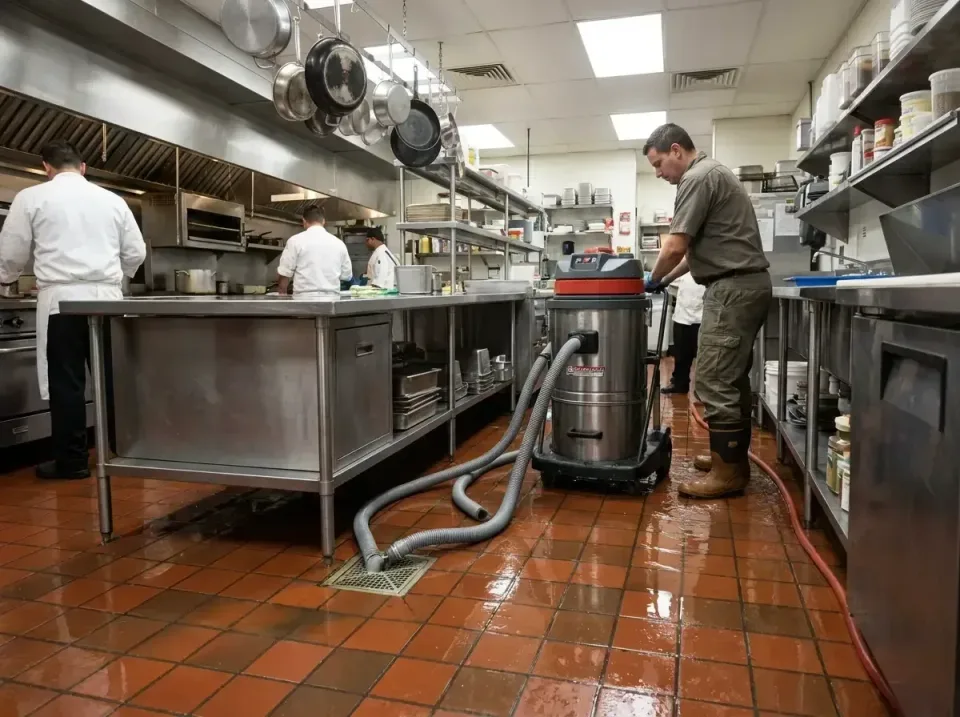
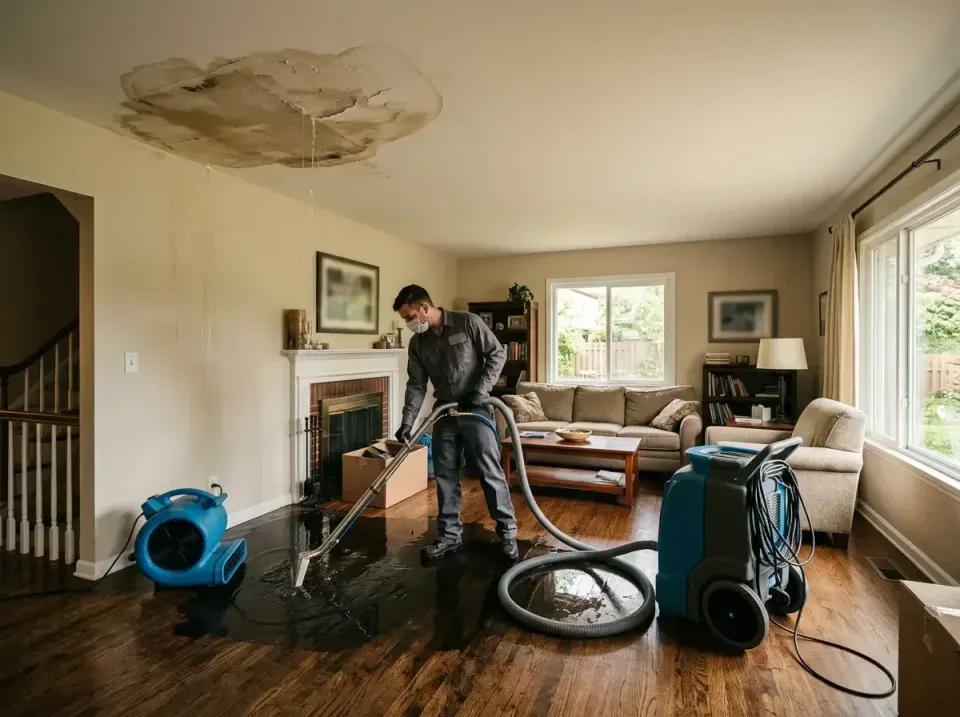
Are mold spots returning after cleaning or is carpet still holding a musty odor? A useful water damage quote should identify the source, affected materials, extraction method, drying plan, monitoring schedule, and exclusions not just give one total. For carpet, a water claw, a subsurface carpet extraction tool, may be needed to remove moisture trapped below the face fibers. The estimate should say whether padding is salvageable, whether porous drywall requires removal, and how the contractor will verify drying. In Honolulu, AAA Water Damage Pros can document room conditions, equipment placement, and follow-up readings so the scope matches the actual damage. If you manage properties beyond Oahu, review all service areas before arranging work.
Five Quote Details That Prevent Secondary Damage
-
Scope: Brown water stains spreading should prompt a room-by-room description of walls, flooring, subfloor, and contents rather than a vague square-foot estimate.
-
Measurements: Psychrometrics means measuring moisture, temperature, and humidity relationships; the quote should explain how readings will establish an unaffected baseline against affected materials.
-
Drying plan: Psychrometric readings should record temperature, relative humidity, and grains-per-pound, a humidity moisture measurement that helps show whether air is becoming drier.
-
Documentation: Daily moisture readings should be included when soft flooring or wet drywall could cause secondary damage, meaning deterioration after the initial exposure.
-
Closeout: Ask for drying verification, equipment removal conditions, photographs, and a written note explaining any remaining work; restoration estimate practices can help show why itemized scope matters.
Source, Category, and Affected Materials
A quote should begin with source control: stopping the active leak, overflow, or storm entry before drying begins. It should identify clean-water extraction, gray-water extraction, or sewage-contaminated water, because the work method and protective measures change. A sewage category means contaminated water, and Category 3 sewage or floodwater is grossly contaminated. The estimate should list carpet, pad, porous drywall, baseboards, insulation, cabinets, and subfloor separately. It should also state whether the plan is emergency water extraction, basement dewatering, crawl-space moisture control, or sewage backup cleanup. A thermal imaging camera can locate hidden moisture patterns, but a pinless moisture meter confirms material conditions. The ANSI/IICRC S500 Standard for Professional Water Damage Restoration gives contractors a useful framework for documenting this scope. A quote that says only “water cleanup” leaves too much room for disputed charges.
Extraction, Drying, and Equipment
The estimate should name the equipment and explain why it fits the access and volume. A truck-mounted extractor removes high volumes quickly but may have limited access, while a portable extractor works better on apartment stairs and tight Honolulu entries. Carpet and padding drying may require a water claw, followed by air movers and dehumidifiers. Air movers evaporate surface moisture; dehumidifiers remove vapor from enclosed spaces. An LGR dehumidifier may be listed by capacity, such as 80–150 pints daily, while an axial air mover may be listed at 1,000–3,000 CFM. Include the number of units, expected placement, hose requirements, and estimated equipment days. Carpet extraction guidance is useful when comparing truck-mounted volume removal with portable access in occupied buildings. The quote should also state who moves contents, whether temporary floor protection is included, and how occupant paths remain open.
Monitoring, Odor, and Containment
A drying plan is incomplete without measurement and closeout criteria. The quote should promise room-by-room drying logs, daily moisture measurements, subfloor and wall-cavity inspections, and a clear explanation of how the technician decides the job is dry. Musty odor after carpet drying often means pad, tack strip, or subfloor moisture was missed. An air scrubber provides HEPA-filtered particulate control, and HEPA filtration is rated at 99.97% at 0.3 microns. If mold inspection and testing or antimicrobial treatment is proposed, the estimate should identify the affected area, product category, application records, and any containment. Negative air means contaminated-air containment; it may be appropriate when demolition could spread particles. For mold-related work, the US EPA Mold Remediation in Schools and Commercial Buildings guidance helps distinguish cleaning, removal, and verification tasks.
Contents, Safety, and Completion Records
A professional quote should state how contents will be photographed, packed, stored, cleaned, or discarded. Wet books, upholstered items, and carpet pad may not be treated the same as hard, cleanable materials. It should identify insurance photo documentation, contents pack-out coordination, odor-control treatment, and any anticipated demolition. Electrical safety matters: occupants should avoid wet outlets, panels, and energized equipment. A quote should also identify permits if demolition or reconstruction is expected, along with disposal responsibilities for drywall demolition debris or contaminated materials. In Honolulu, access, elevator scheduling, loading areas, and disposal routing can affect labor and equipment time. Ask for a final moisture report, equipment log, photographs, antimicrobial application records when applicable, and a list of excluded reconstruction work before approving the estimate.
Drying Options and Quote Details
The right line items depend on the water volume, access, and material absorption. For basement dewatering, the quote should explain how dehumidifiers remove vapor from enclosed spaces and how sewage backup cleanup will be isolated. If demolition is expected, ask whether a 20-yard debris container and disposal coordination are included; water damage project planning can illustrate why removal logistics belong in the written scope.
| Option | Best for | Key detail |
|---|---|---|
| Emergency water extraction | Sudden indoor leaks | Truck-mounted or portable extraction, with hose access listed |
| Basement dewatering | Standing water and damp masonry | Dehumidifier placement and affected square footage |
| Carpet and padding drying | Wet carpet without confirmed pad loss | Water claw use, pad salvage decision, and antimicrobial application records |
| Sewage backup cleanup | Contaminated floor drains or overflow | Isolation, protective controls, and separate disposal scope |
| Commercial structural drying | Offices, hotels, or retail spaces | Equipment count, daily logs, and occupant access plan |
Six Steps to Review a Restoration Quote
-
Document: Photograph damage before contents movement and save the images for insurance photo documentation.
-
Make safe: Do not enter areas near wet outlets, panels, or energized equipment; isolate sewage zones before extraction.
-
Clear access: Remove obstacles, maintain occupant pathways, and preserve a 36-inch clear doorway for equipment movement.
-
Confirm scope: Check that extraction, drying, contents handling, demolition, odor-control treatment, and exclusions are listed.
-
Track progress: Require daily moisture checks and ask how the ANSI/IICRC S500 water damage restoration standard informs drying verification.
-
Close properly: Confirm sewage-contaminated contents are separated and that wastewater disposal follows local sewer authority discharge requirements; restoration documentation examples show why records matter.
Cost Ranges for Water Damage Quotes
A quote should connect each range to a measurable driver instead of presenting one unexplained total. A small room extraction may run $500–$1,500 when water volume is limited; a 12–15 gallon portable extractor tank may suit compact access but does not define the full project price. Basement drying commonly falls around $1,500–$5,000 based on affected square footage. Sewage cleanup may range from $2,000–$8,000 because contamination category changes labor and disposal. Mold remediation may run $1,500–$6,000 for containment and demolition, while commercial drying can reach $5,000–$20,000 as equipment duration grows. Storm cleanup may range from $3,000–$15,000 when access and structural damage expand the scope. Regional labor, access, and disposal practices also affect Honolulu estimates. Final estimates vary with water category, affected materials, access, equipment duration, and local disposal requirements.
The Drying Class Detail Many Quotes Miss
A quote should identify the drying class, meaning the affected-material absorption classification, because a wet concrete slab and soaked carpet do not dry at the same rate. Confirm that source control is complete before equipment is sized, then ask how psychrometrics and grains per pound will guide daily adjustments.
A common mistake is approving a carpet-only estimate when delamination, or carpet backing separation, has already occurred. Sewage category conditions may require negative air, which contains contaminated air, rather than ordinary room airflow. AAA Water Damage Pros can review the source, material layers, access, and measurement plan before recommending extraction or drying equipment. Ask for a written scope that states what happens if moisture is found behind baseboards or under the pad, and use air-cleaning equipment guidance to understand why an air scrubber may be added during controlled cleanup.
A Clear Quote Makes the Next Step Easier
A sound water damage quote names the source, water category, affected materials, extraction method, drying equipment, measurements, contents handling, safety limits, disposal, and closeout records. In Honolulu, that detail matters when soft, swollen flooring extends beneath cabinets or carpet padding remains soaked after the surface feels dry. EPA guidance points to a 24–48 hour drying window for mold prevention, while HEPA filtration captures 99.97% of particles at 0.3 microns when air cleaning is specified. If contents pack-out and storage are needed, the estimate should list them separately. AAA Water Damage Pros can review the conditions, document the scope, and prepare a practical next step; water damage documentation resources show why written records support both drying decisions and insurance claims.
Frequently Asked Questions
What should a Water Damage Restoration & Carpet Care quote include if my carpet still smells musty?
Does Water Damage Restoration & Carpet Care include mold work when spots return after cleaning?
How much does Water Damage Restoration & Carpet Care cost for basement humidity and wet flooring?
What if Water Damage Restoration & Carpet Care finds sewage odor near floor drains?
Can I handle Water Damage Restoration & Carpet Care myself if brown stains are spreading?
Explore All Services
Browse all nationwide service options and choose the right fit for your project.
Homeowners, property managers, and contractors book Honolulu extraction and structural drying for wet carpets, floors, and walls.
Call NowHomeowners, property managers, and contractors book Honolulu flood extraction, structural drying, and storm cleanup after water emergencies.
Call NowHomeowners and property managers book Honolulu basement dewatering, moisture checks, and controlled humidity drying after leaks or flooding.
Call NowHomeowners, contractors, and property managers book Honolulu crawl-space extraction to remove water and control lingering moisture.
Call NowHomeowners, property managers, and contractors book Honolulu wet carpet padding removal, extraction, and drying after leaks or flooding.
Call NowLocal carpet water extraction & drying for Honolulu with clear pricing drivers, weight limits, and scheduling you can plan around.
Call NowHomeowners, property managers, and contractors book Honolulu sewage extraction for contaminated water, padding, drywall, and odor cleanup.
Call NowHomeowners, property managers, and contractors book Honolulu Category 3 black water removal for sewage or floodwater contamination.
Call NowHomeowners, contractors, and property managers book Honolulu subfloor inspections, moisture readings, and drying verification after water damage.
Call NowHomeowners in Honolulu book residential cleanup for water extraction, structural drying, carpet care, and moisture checks.
Call NowCommercial water extraction and structural drying for Honolulu property managers, contractors, offices, and retail spaces.
Call NowHomeowners and property managers book Honolulu storm flood extraction for contaminated water, soaked carpet, and structural drying.
Call NowHomeowners and property managers book Honolulu mold remediation for contaminated drywall, damp carpets, and recurring mold growth.
Call NowHomeowners, contractors, and property managers book Honolulu mold inspections to find hidden moisture and confirm indoor conditions.
Call NowHomeowners, contractors, and property managers book wall and drywall mold removal for concealed moisture and contaminated materials in Honolulu.
Call NowHomeowners, property managers, and contractors book Honolulu black mold remediation for contained removal and moisture control.
Call NowHomeowners and property managers book Honolulu attic mold removal, ventilation drying, and moisture checks after leaks or humidity problems.
Call NowHomeowners and property managers book Honolulu duct mold inspection, containment, HEPA cleaning, and moisture control.
Call NowHomeowners and property managers book Honolulu antimicrobial treatment for odor, surface contamination, and post-water cleanup.
Call NowWet Carpet Cleaning & Odor Removal in Honolulu — practical container sizing, placement guidance, and disposal rules explained before you book.
Call NowHomeowners, managers, and contractors book Honolulu rug and upholstery extraction after leaks, floods, or soaked carpet contents.
Call NowHomeowners and property managers book Honolulu air-quality testing, mold checks, and prevention after moisture or water damage.
Call NowHomeowners and property managers book Honolulu carpet steam cleaning to remove flood residue, odors, and moisture from carpeted rooms.
Call NowHomeowners, contractors, and property managers book Honolulu moisture readings to find hidden dampness and track drying conditions.
Call NowHomeowners, property managers, and contractors book Honolulu claim documentation for water damage, mold inspection, and repair records.
Call NowBrowse by State
Select your region to see local water damage restoration & carpet care providers and cities we cover.
Need Nationwide Water Damage Restoration & Carpet Care?
We connect you with trusted local providers in your state or city. Call or email us today.