Can Homeowners Clean Up Category 3 Black Water Safely in Honolulu, HI 96859?
Category 3 Water and the First Safety Decision
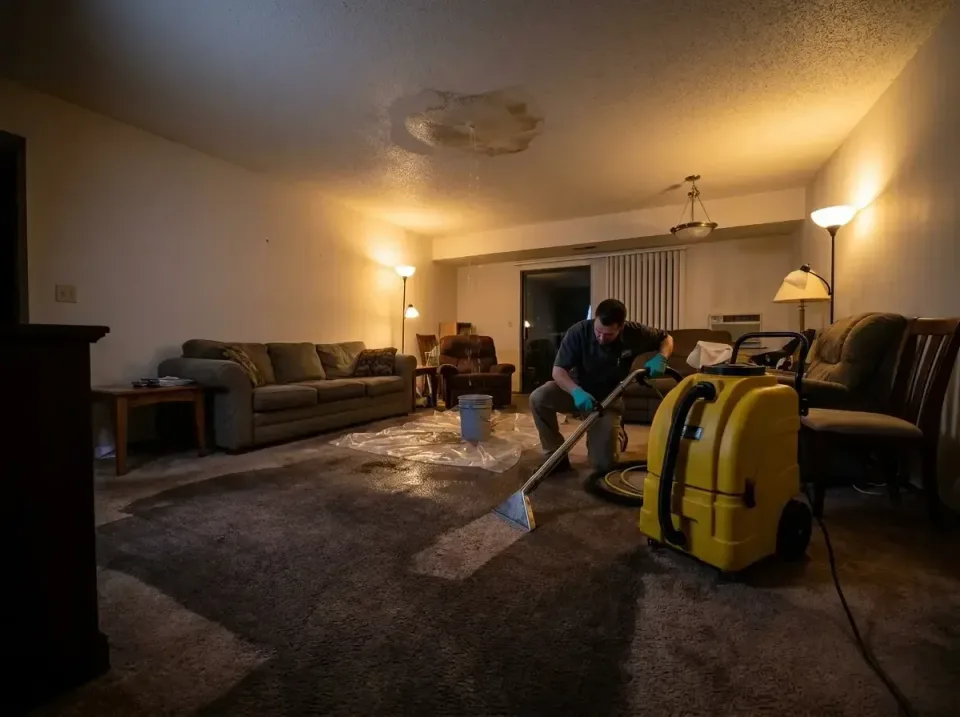
Sewage odor near a floor drain, soaked carpet padding, or brown water moving across a room is not a routine cleaning job. Homeowners should not clean Category 3 water themselves because this sewage category means contaminated water that can spread through porous materials and expose occupants during removal. In Honolulu, Hawaii, isolate the area, keep children and pets out, and avoid contact with wet outlets or panels. A water claw, which extracts moisture from beneath carpet, may be needed after the surface is cleared. AAA Water Damage Pros documents local projects and helps customers understand all service areas when a property, rental, or second home needs coordinated water damage restoration and carpet care.
Five Black Water Facts for Honolulu Homes
-
Contamination: Category 3 water includes sewage or floodwater, so brown stains spreading through flooring are a warning to stop handling materials.
-
Secondary damage: Deterioration after the first exposure can leave soft, swollen flooring even after the visible water disappears.
-
Humidity control: A desiccant dehumidifier creates low-humidity drying conditions when ordinary room ventilation cannot lower moisture.
-
Surface treatment: An antimicrobial product helps control microbes, but it cannot make heavily contaminated porous materials safe to keep.
-
Decision point: If a basement remains humid or drywall below baseboards is wet, document conditions before moving contents; water damage cleanup planning should account for containment, removal, and drying rather than odor masking.
Why Sewage Cleanup Is Different From a Spill
A homeowner may be able to blot a small clean-water spill, but sewage-contaminated water requires a different response. The Institute of Inspection Cleaning and Restoration Certification publishes the ANSI/IICRC S500 Standard for Professional Water Damage Restoration, which supports separating contaminated areas, removing unsalvageable porous materials, and verifying drying rather than relying on touch. Porous drywall can hold contamination below the visible waterline, and mold-contaminated materials may release particles during demolition. Keep occupants away, stop the source if it can be done without entering water, and photograph conditions before contents movement. A contents pack-out coordination plan prevents clean belongings from crossing into the affected zone.
What Equipment Changes the Outcome
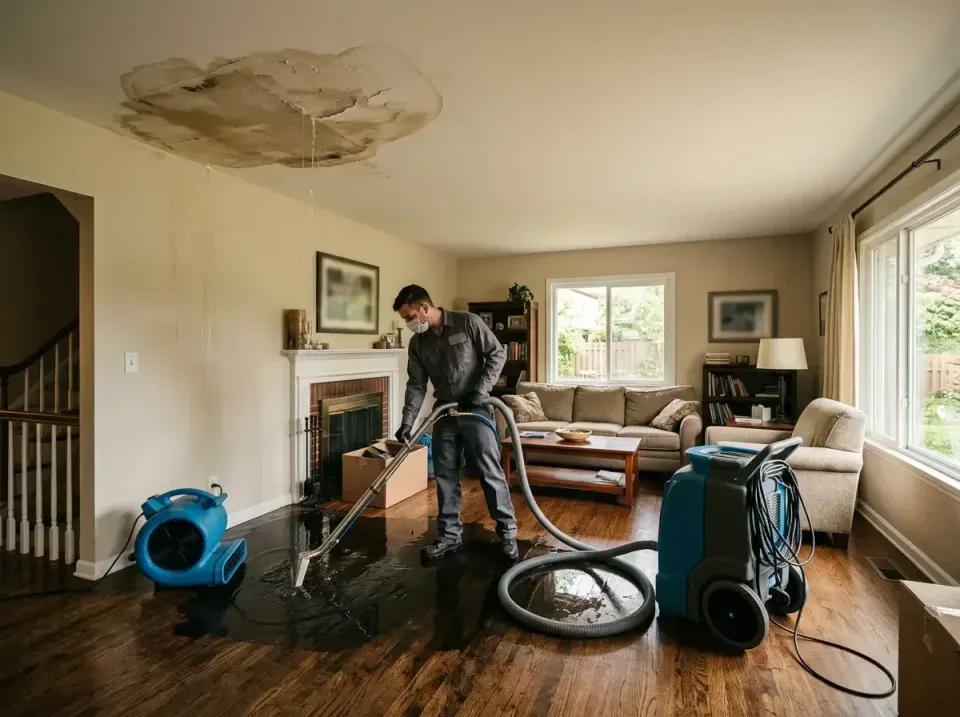
A portable extractor can reach apartments and stairs, while a truck-mounted extractor removes larger water volumes faster but may not fit a Honolulu home’s access route. Air movers evaporate surface moisture; they do not disinfect sewage or replace extraction. An LGR dehumidifier removes vapor from enclosed rooms, and a HEPA air scrubber filters airborne particles during controlled work. Technicians compare unaffected baseline readings with affected materials and use psychrometric readings temperature, relative humidity, and grains per pound to decide whether drying is progressing. Before hiring, homeowners can compare commercial restoration practices with the actual scope proposed, including wall-cavity checks, equipment placement, and daily documentation.
Carpet, Padding, and Hidden Moisture
Musty odor after carpet drying often means the pad, tack strip, or subfloor stayed wet. A water claw can pull subsurface moisture through carpet, but contaminated padding may be removed rather than dried for reuse. Wicking can carry sewage upward into drywall and trim, while delamination separates carpet backing and weakens the material. A pinless moisture meter gives noninvasive readings, but a thermal camera only locates patterns; meters confirm moisture. This is why carpet and padding salvage should be judged room by room, not by whether the top fibers feel dry. Keep air movers away from blocked vents and maintain occupant pathways so airflow and access remain safe.
When a Homeowner Should Stop and Call
Contact AAA Water Damage Pros when water is Category 3, electrical systems may be wet, contamination has reached drywall, or sewage odor remains after surface cleaning. The electrical rule is simple: avoid wet outlets, panels, and energized equipment. OSHA 29 CFR 1910.134 addresses respiratory protection, while the US EPA Mold Remediation in Schools and Commercial Buildings emphasizes prompt drying and controlled removal when mold is present. Local building permits may apply to demolition and reconstruction, and RCRA rules can affect disposal of contaminated solid waste. AAA Water Damage Pros can assess source control, arrange sewage backup cleanup, record moisture readings, and explain whether antimicrobial treatment, mold inspection, or subfloor moisture detection belongs in the scope.
Which Extraction Setup Fits Category 3 Water?
The safest option depends on access, contamination, and how far water traveled. Thermal cameras locate moisture patterns, but meters confirm whether a wall or subfloor is still wet. For storm and hurricane flood cleanup, ask how debris and contaminated materials will be contained; a 20-yard debris container may suit a larger demolition scope, while a smaller home may need staged removal. HEPA-filtered air cleaning is useful during controlled work, not as a substitute for source removal.
| Option | Best for | Key detail |
|---|---|---|
| Portable extractor | Apartments and stairs | Compact access; lower production |
| Truck-mounted extraction | Large accessible volumes | Faster removal; limited access |
| HEPA air cleaning | Contained demolition | Filters airborne particles |
| Subfloor inspection | Swollen flooring | Checks below visible surfaces |
| Storm flood cleanup | Broad exterior intrusion | May require a 20-yard debris container and disposal planning |
A provider should explain why the selected setup fits the room rather than simply placing equipment. Flood restoration equipment planning can help illustrate why access and material depth affect the work plan.
Six Steps Before Category 3 Extraction
-
Isolate: Follow the sewage rule by keeping people and pets out of the affected zone before extraction.
-
Document: Photograph damage before contents movement and record the location of stains, standing water, and damaged finishes.
-
Protect: Apply the electrical rule by avoiding wet outlets, panels, appliances, and energized equipment.
-
Clear: Create a 36-inch equipment access pathway, move only safe contents, and maintain occupant pathways.
-
Plan equipment: A portable extractor suits stairs and tight rooms; an axial air mover can deliver 1,000–3,000 CFM, while an LGR dehumidifier may remove 80–150 pints daily.
-
Monitor: Schedule daily moisture checks and revisit readings until drying goals stabilize; restoration drying guidance can help frame questions for the contractor.
The powered vacuum cleaner history of Hubert Cecil Booth does not make household vacuums suitable for sewage removal; contamination control requires purpose-built equipment and procedures.
Category 3 Cleanup Costs and Scope Drivers
Typical project ranges show why sewage work is priced by contamination, material removal, access, and drying time rather than room size alone:
-
Small room extraction: $500–$1,500, mainly driven by water volume. A 2-inch extraction hose may support higher-volume removal where access allows.
-
Basement drying: $1,500–$5,000, affected by square footage and concealed moisture.
-
Sewage cleanup: $2,000–$8,000, driven by the contamination category and disposal needs.
-
Mold remediation: $1,500–$6,000, based on containment and demolition.
Air movers may provide 800–2,000 CFM depending on the model, but more airflow does not automatically mean a shorter job. Honolulu projects can also reflect access, parking, disposal, and regional labor conditions. Final estimates vary with water category, affected materials, access, equipment duration, and local disposal requirements.
The 24–48 Hour Drying Check
Expert insight:
EPA guidance points to drying wet materials within 24–48 hours for mold prevention, but a dry-looking surface is not proof that the assembly is dry. Check EMC, or equilibrium moisture content, against unaffected areas before removing equipment.
In a contaminated room, negative air provides containment by directing air away from clean areas, while an air scrubber provides HEPA-filtered particulate control. This combination helps limit spread during removal, but it does not replace source control, which means stopping the active water intrusion. A common failure is treating odor before confirming moisture and contamination pathways.
Common mistake: Running fans across a sewage-soaked room without isolation can move contaminated particles into occupied spaces.
The Safe Next Step for Category 3 Water
Homeowners should treat Category 3 water as a professional sewage cleanup concern, especially when carpet padding remains soaked, mold spots return after cleaning, or hardwood, plaster, and concrete have deep-bound moisture classified as Class
- Carpet steam cleaning may refresh fibers later, but it does not replace extraction, structural drying, or antimicrobial treatment and sanitization. In Honolulu, HI, keep the area isolated, avoid electrical hazards, and preserve photos for insurance claim documentation. AAA Water Damage Pros can review the affected rooms, identify whether padding and drywall are salvageable, and outline a measured next step for water damage restoration and carpet care.
Frequently Asked Questions
Can I do Category 3 Black Water Removal myself if the sewage spill is small?
Why does my carpet still smell musty after Sewage Backup Cleanup and drying?
How fast should Wet Carpet Padding Removal and Drying begin after black water enters?
What rules apply to drywall demolition after Category 3 Black Water Removal?
How much does Sewage Backup Cleanup cost if a basement stays humid?
Explore All Services
Browse all nationwide service options and choose the right fit for your project.
Homeowners, property managers, and contractors book Honolulu extraction and structural drying for wet carpets, floors, and walls.
Call NowHomeowners, property managers, and contractors book Honolulu flood extraction, structural drying, and storm cleanup after water emergencies.
Call NowHomeowners and property managers book Honolulu basement dewatering, moisture checks, and controlled humidity drying after leaks or flooding.
Call NowHomeowners, contractors, and property managers book Honolulu crawl-space extraction to remove water and control lingering moisture.
Call NowHomeowners, property managers, and contractors book Honolulu wet carpet padding removal, extraction, and drying after leaks or flooding.
Call NowLocal carpet water extraction & drying for Honolulu with clear pricing drivers, weight limits, and scheduling you can plan around.
Call NowHomeowners, property managers, and contractors book Honolulu sewage extraction for contaminated water, padding, drywall, and odor cleanup.
Call NowHomeowners, property managers, and contractors book Honolulu Category 3 black water removal for sewage or floodwater contamination.
Call NowHomeowners, contractors, and property managers book Honolulu subfloor inspections, moisture readings, and drying verification after water damage.
Call NowHomeowners in Honolulu book residential cleanup for water extraction, structural drying, carpet care, and moisture checks.
Call NowCommercial water extraction and structural drying for Honolulu property managers, contractors, offices, and retail spaces.
Call NowHomeowners and property managers book Honolulu storm flood extraction for contaminated water, soaked carpet, and structural drying.
Call NowHomeowners and property managers book Honolulu mold remediation for contaminated drywall, damp carpets, and recurring mold growth.
Call NowHomeowners, contractors, and property managers book Honolulu mold inspections to find hidden moisture and confirm indoor conditions.
Call NowHomeowners, contractors, and property managers book wall and drywall mold removal for concealed moisture and contaminated materials in Honolulu.
Call NowHomeowners, property managers, and contractors book Honolulu black mold remediation for contained removal and moisture control.
Call NowHomeowners and property managers book Honolulu attic mold removal, ventilation drying, and moisture checks after leaks or humidity problems.
Call NowHomeowners and property managers book Honolulu duct mold inspection, containment, HEPA cleaning, and moisture control.
Call NowHomeowners and property managers book Honolulu antimicrobial treatment for odor, surface contamination, and post-water cleanup.
Call NowWet Carpet Cleaning & Odor Removal in Honolulu — practical container sizing, placement guidance, and disposal rules explained before you book.
Call NowHomeowners, managers, and contractors book Honolulu rug and upholstery extraction after leaks, floods, or soaked carpet contents.
Call NowHomeowners and property managers book Honolulu air-quality testing, mold checks, and prevention after moisture or water damage.
Call NowHomeowners and property managers book Honolulu carpet steam cleaning to remove flood residue, odors, and moisture from carpeted rooms.
Call NowHomeowners, contractors, and property managers book Honolulu moisture readings to find hidden dampness and track drying conditions.
Call NowHomeowners, property managers, and contractors book Honolulu claim documentation for water damage, mold inspection, and repair records.
Call NowBrowse by State
Select your region to see local water damage restoration & carpet care providers and cities we cover.
Need Nationwide Water Damage Restoration & Carpet Care?
We connect you with trusted local providers in your state or city. Call or email us today.