How to Choose a Water Damage Company After a Storm in Honolulu, HI 96859
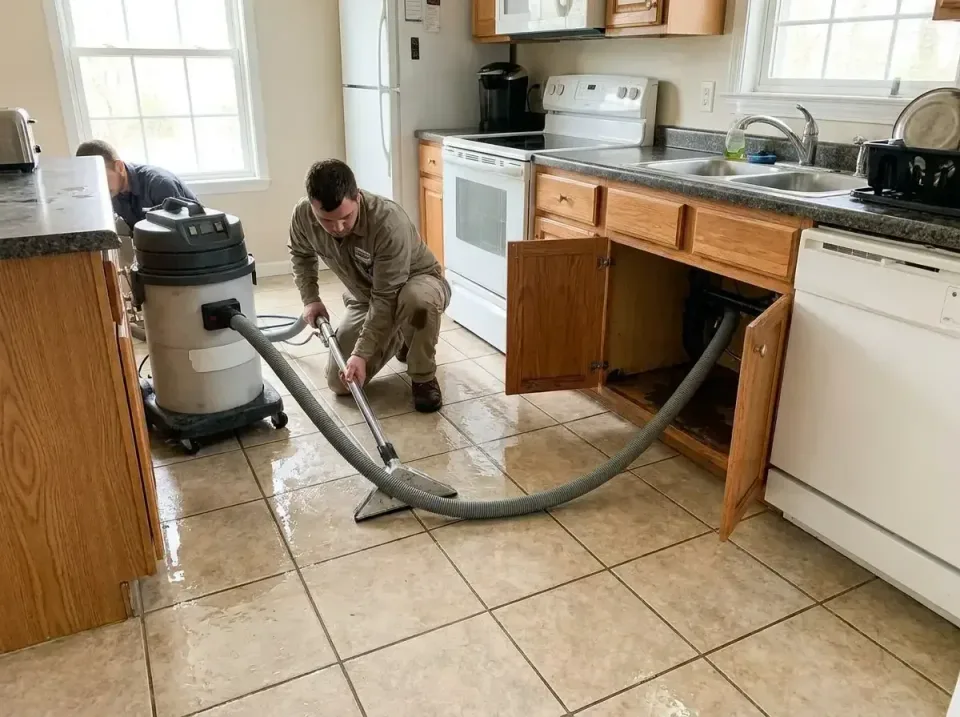
Brown Stains and Returning Mold After Storm Damage
Brown water stains that keep spreading or mold spots returning after cleaning usually mean the visible surface was treated before hidden moisture was addressed. Choose a company that traces the source, checks wall cavities and flooring, and documents drying rather than promising a quick carpet cleaning. In Honolulu, stormwater can move beneath flooring, behind baseboards, and into porous materials before symptoms appear. Ask whether the crew performs structural inspection, moisture testing, and written follow-up. AAA Water Damage Pros supports homeowners who need storm damage restoration across service areas and can explain which work belongs in emergency extraction, structural drying, or mold remediation.
Five Storm Company Checks for Honolulu Homes
-
Source control: A qualified crew first stops the active intrusion, because secondary damage is deterioration that continues after the original water event; ask how that step will be documented.
-
Carpet recovery: A water claw is a subsurface carpet extraction tool that reaches moisture beneath the face fibers, helping identify padding that ordinary surface vacuuming misses.
-
Air quality: An air scrubber provides HEPA-filtered particulate control, and a proper plan should explain where it will run and how occupants will be protected; a restoration process overview can help you recognize this equipment in a written scope.
-
Humidity evidence: Psychrometrics tracks moisture, temperature, and humidity relationships, while grains per pound records humidity moisture measurement; request readings rather than a verbal “looks dry.”
-
Follow-up records: Look for room-by-room notes, equipment placement, and retesting that show the company is checking drying progress instead of removing machines on a fixed schedule.
Check the Storm Scope and Written Method
A dependable company explains what happened before recommending equipment. Ask whether the visit covers emergency water extraction, storm and hurricane flood cleanup, carpet and padding drying, or subfloor and wall-cavity inspection. The Code: ANSI/IICRC S500 water damage restoration standard gives contractors a useful framework for inspection, extraction, drying, and documentation. A written scope should identify affected rooms, materials, water source, planned monitoring, and exclusions. In Honolulu homes, soft flooring and wet drywall below baseboards can extend farther than the first visible stain. AAA Water Damage Pros should be able to explain the work in plain terms and show how insurance photo documentation will separate preexisting conditions from storm damage. A water damage restoration field resource can illustrate why extraction and structural drying are different stages.
Ask How Moisture Will Be Verified
Do not accept a company’s promise that fans will run for a set number of days. A pinless moisture meter takes noninvasive material readings, while a thermal imaging camera locates hidden moisture patterns; meters confirm whether those patterns are actually wet. Ask for unaffected baseline versus affected-material readings, daily moisture measurements, and room-by-room drying logs. The United States Environmental Protection Agency advises drying wet materials within 24–48 hours for mold prevention, but the schedule changes with material, access, and humidity. Porous drywall may require removal when readings remain elevated, while carpet padding may need separate extraction or disposal. The practical test is drying verification: target conditions are confirmed with measurements, not with warm air or a dry-feeling carpet surface.
Match Equipment to Access and Contamination
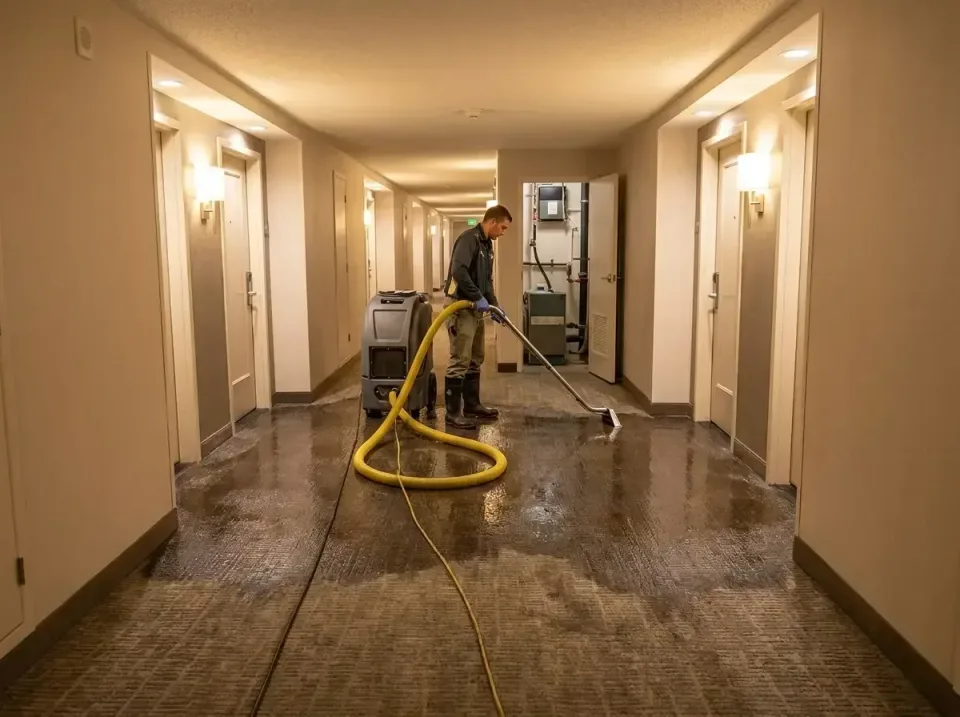
A truck-mounted extractor removes high volumes quickly but may not reach an upstairs apartment, narrow lanai entrance, or tight Honolulu corridor. A portable extractor is slower but suits stairs and limited access. Ask which tool fits the property, how hoses and air movers will affect occupant pathways, and whether a HEPA air scrubber will run during demolition. For a sewage backup, the company should identify contaminated zones, use containment, and explain safe handling rather than treating the job like clean-water extraction. The ANSI/IICRC S520 Standard for Mold Remediation is relevant when mold growth or mold-contaminated materials are part of the scope. Schools and universities, multifamily buildings, and retail stores may also need site coordination before equipment arrives.
Review Safety, Records, and the Final Handoff
A sound provider photographs damage before contents movement, separates salvageable items from porous contamination, and gives you a clear record of equipment, readings, demolition, and remaining repairs. Ask who handles contents pack-out, carpet steam cleaning, antimicrobial treatment, and reconstruction referrals. OSHA 29 CFR 1910.134 Respiratory Protection matters when workers may encounter contaminated dust or sewage conditions, and the OSHA Hazard Communication Standard, 29 CFR 1910.1200, supports clear communication about products and hazards. If demolition or reconstruction is needed, local building and health departments may require permits. Before signing, confirm the invoice matches the approved scope, the monitoring records are complete, and the company explains what happens if brown stains, odor, or moisture readings return.
Storm Cleanup Options and Equipment Limits
Choose the option that matches water volume, material depth, and access. A company that brings a large machine to every job may add cost without solving a narrow stairway or crawl-space problem. Ask how the plan handles a 36-inch equipment access pathway and where a 20-yard debris container would be placed; a restoration service comparison shows why site logistics belong in the estimate.
| Option | Best for | Key detail |
|---|---|---|
| Emergency water extraction | Localized rooms and wet carpet | A 2-inch extraction hose supports high-volume removal when access permits. |
| Basement dewatering | Standing water and broad floor impact | An 80–150 pint-per-day dehumidifier removes vapor after bulk water is extracted. |
| Carpet and padding drying | Wet floor coverings | Portable extraction suits stairs; truck-mounted extraction moves volume faster. |
| Storm and hurricane flood cleanup | Widespread storm entry | Plan space for debris, containment, and safe equipment movement. |
A Six-Step Storm Company Selection Process
-
Document: Photograph damage before contents movement, including swollen flooring, stains, and wet walls; this is also the practice recommended in restoration planning discussions by the Restoration Industry Association.
-
Make it safe: Avoid wet outlets, panels, and energized equipment, then tell the company where power has been shut off.
-
Clear access: Remove loose items and preserve a usable path for equipment; crews using Phoenix restoration drying equipment still need safe entry and staging space.
-
Confirm the scope: Ask whether the visit includes emergency extraction, structural drying, contents handling, or demolition.
-
Check operations: Require moisture readings, equipment notes, and daily follow-up rather than a fixed end date; retail stores often use the same documentation discipline to keep operations organized.
-
Compare calmly: Review the written scope, exclusions, and cost before authorizing work, even when a nationwide provider such as SERVPRO is one of several bids.
Storm Cleanup Costs and What Changes the Quote
Use ranges as planning markers, not promises. A small room extraction may run $500–$1,500 based on water volume, and a 12–15 gallon portable extractor tank may suit a limited carpet job. Basement drying commonly falls around $1,500–$5,000, with affected square footage driving labor and equipment time. Emergency water extraction after a larger storm may become part of a $3,000–$15,000 storm cleanup when access and structural damage expand the scope. Regional labor, disposal, building access, and insurance requirements can shift Honolulu pricing. Ask for separate line items for extraction, drying, demolition, contents, and documentation so the quote is useful for comparison. Final estimates vary with water category, affected materials, access, equipment duration, and local disposal requirements.
The Drying Detail That Prevents Repeat Carpet Damage
Expert insight:
Capillary action can pull moisture upward through carpet backing and padding even after the surface feels dry. A technician should classify the drying class, record psychrometrics, and check EMC, or equilibrium moisture content, before declaring the area finished.
Ask what happens if backing begins delamination, meaning the carpet layers separate, or if a desiccant dehumidifier is needed because ordinary equipment cannot lower humidity enough. Sewage category classification also matters because sewage-contaminated water requires a different containment and disposal plan than a clean supply-line leak. If negative air is used, confirm it is controlling contaminated air rather than simply moving odor through the home. Common mistake: approving carpet cleaning before the padding, tack strip, subfloor, and wall edge have been checked.
Choose Documented Storm Drying for Your Honolulu Home
The right company can explain the water source, contamination level, equipment choice, drying evidence, and repair boundary before work begins. In Honolulu, do not ignore returning odor, wet drywall, or swollen flooring after the carpet looks clean. Category 3 water from sewage or floodwater is grossly contaminated and needs controlled handling, while Class 4 materials such as hardwood, plaster, or concrete can hold deep-bound moisture. Ask about contents pack-out and storage, insurance claim documentation, and whether wet materials can be dried within 24–48 hours. When you are ready to compare the scope and arrange the next inspection, contact AAA Water Damage Pros at (833) 710-2743.
Frequently Asked Questions
Should I hire a pro for Carpet Water Extraction & Drying if my carpet feels dry after a storm?
How fast should Residential Water Damage Cleanup start after a Honolulu storm?
What should a company do if stormwater reaches outlets or a panel during Emergency Water Extraction?
Is Sewage Backup Cleanup & Extraction different from ordinary storm cleanup?
How can I tell if Mold Inspection & Testing is needed after storm carpet drying?
Explore All Services
Browse all nationwide service options and choose the right fit for your project.
Homeowners, property managers, and contractors book Honolulu extraction and structural drying for wet carpets, floors, and walls.
Call NowHomeowners, property managers, and contractors book Honolulu flood extraction, structural drying, and storm cleanup after water emergencies.
Call NowHomeowners and property managers book Honolulu basement dewatering, moisture checks, and controlled humidity drying after leaks or flooding.
Call NowHomeowners, contractors, and property managers book Honolulu crawl-space extraction to remove water and control lingering moisture.
Call NowHomeowners, property managers, and contractors book Honolulu wet carpet padding removal, extraction, and drying after leaks or flooding.
Call NowLocal carpet water extraction & drying for Honolulu with clear pricing drivers, weight limits, and scheduling you can plan around.
Call NowHomeowners, property managers, and contractors book Honolulu sewage extraction for contaminated water, padding, drywall, and odor cleanup.
Call NowHomeowners, property managers, and contractors book Honolulu Category 3 black water removal for sewage or floodwater contamination.
Call NowHomeowners, contractors, and property managers book Honolulu subfloor inspections, moisture readings, and drying verification after water damage.
Call NowHomeowners in Honolulu book residential cleanup for water extraction, structural drying, carpet care, and moisture checks.
Call NowCommercial water extraction and structural drying for Honolulu property managers, contractors, offices, and retail spaces.
Call NowHomeowners and property managers book Honolulu storm flood extraction for contaminated water, soaked carpet, and structural drying.
Call NowHomeowners and property managers book Honolulu mold remediation for contaminated drywall, damp carpets, and recurring mold growth.
Call NowHomeowners, contractors, and property managers book Honolulu mold inspections to find hidden moisture and confirm indoor conditions.
Call NowHomeowners, contractors, and property managers book wall and drywall mold removal for concealed moisture and contaminated materials in Honolulu.
Call NowHomeowners, property managers, and contractors book Honolulu black mold remediation for contained removal and moisture control.
Call NowHomeowners and property managers book Honolulu attic mold removal, ventilation drying, and moisture checks after leaks or humidity problems.
Call NowHomeowners and property managers book Honolulu duct mold inspection, containment, HEPA cleaning, and moisture control.
Call NowHomeowners and property managers book Honolulu antimicrobial treatment for odor, surface contamination, and post-water cleanup.
Call NowWet Carpet Cleaning & Odor Removal in Honolulu — practical container sizing, placement guidance, and disposal rules explained before you book.
Call NowHomeowners, managers, and contractors book Honolulu rug and upholstery extraction after leaks, floods, or soaked carpet contents.
Call NowHomeowners and property managers book Honolulu air-quality testing, mold checks, and prevention after moisture or water damage.
Call NowHomeowners and property managers book Honolulu carpet steam cleaning to remove flood residue, odors, and moisture from carpeted rooms.
Call NowHomeowners, contractors, and property managers book Honolulu moisture readings to find hidden dampness and track drying conditions.
Call NowHomeowners, property managers, and contractors book Honolulu claim documentation for water damage, mold inspection, and repair records.
Call NowBrowse by State
Select your region to see local water damage restoration & carpet care providers and cities we cover.
Need Nationwide Water Damage Restoration & Carpet Care?
We connect you with trusted local providers in your state or city. Call or email us today.